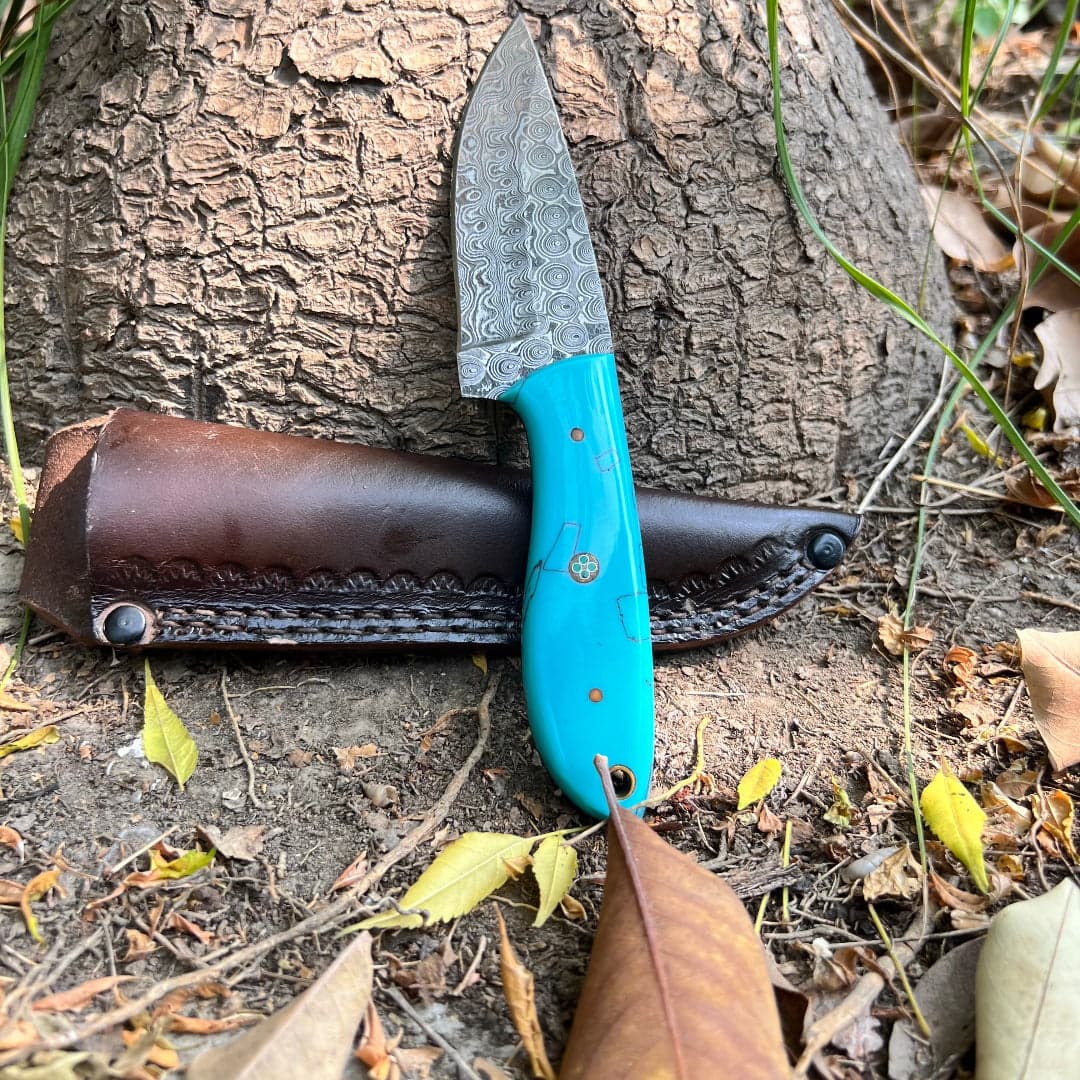
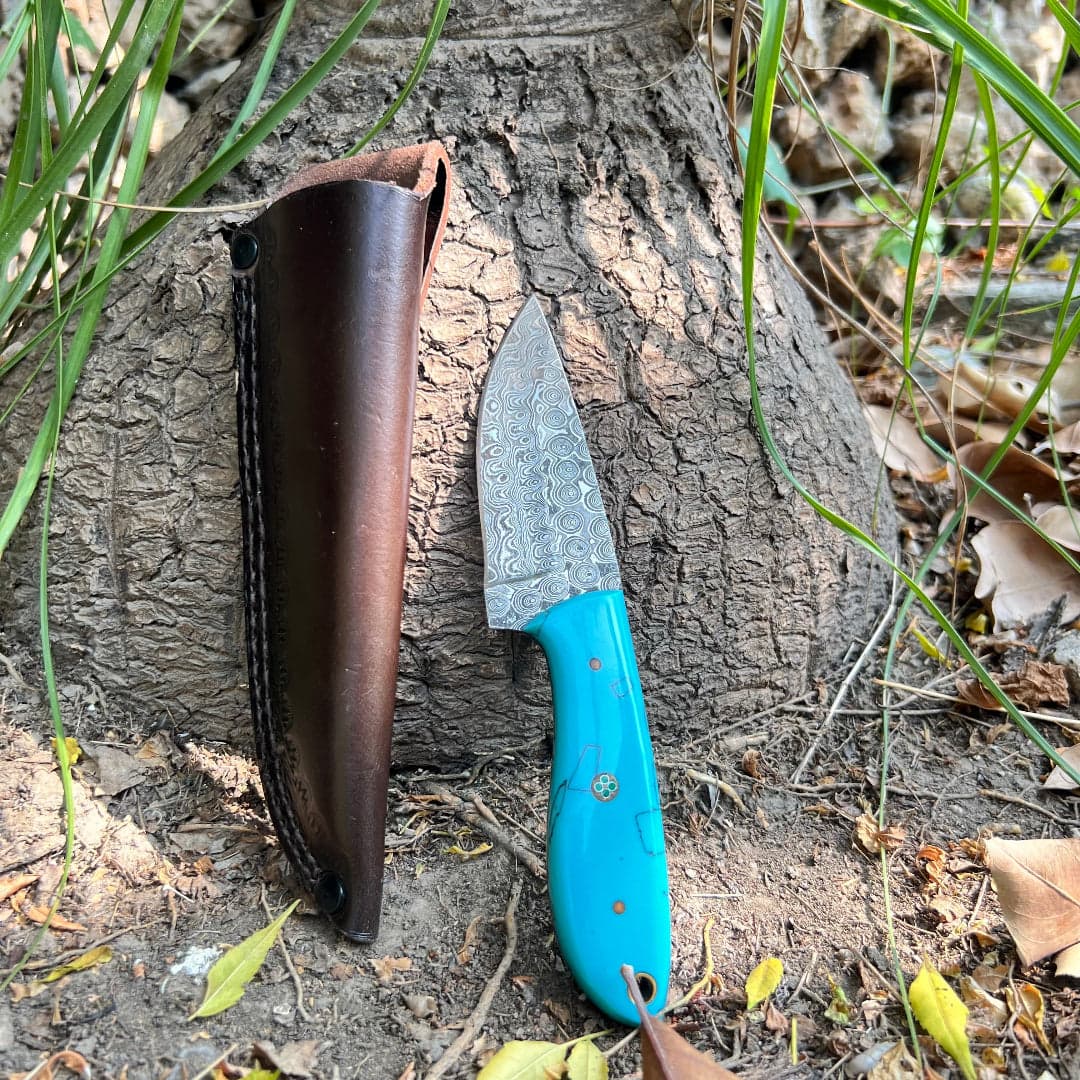
Hunting Knives
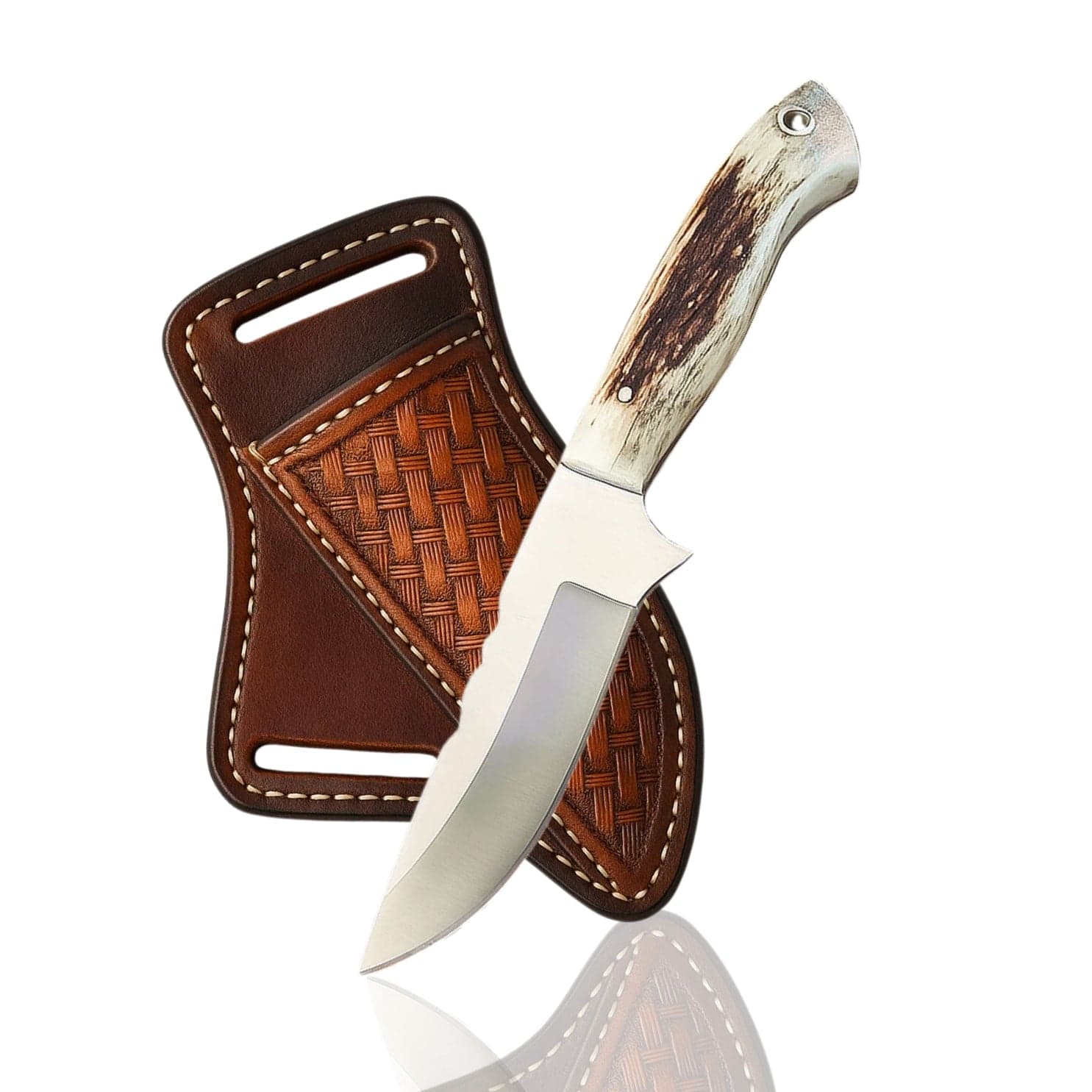
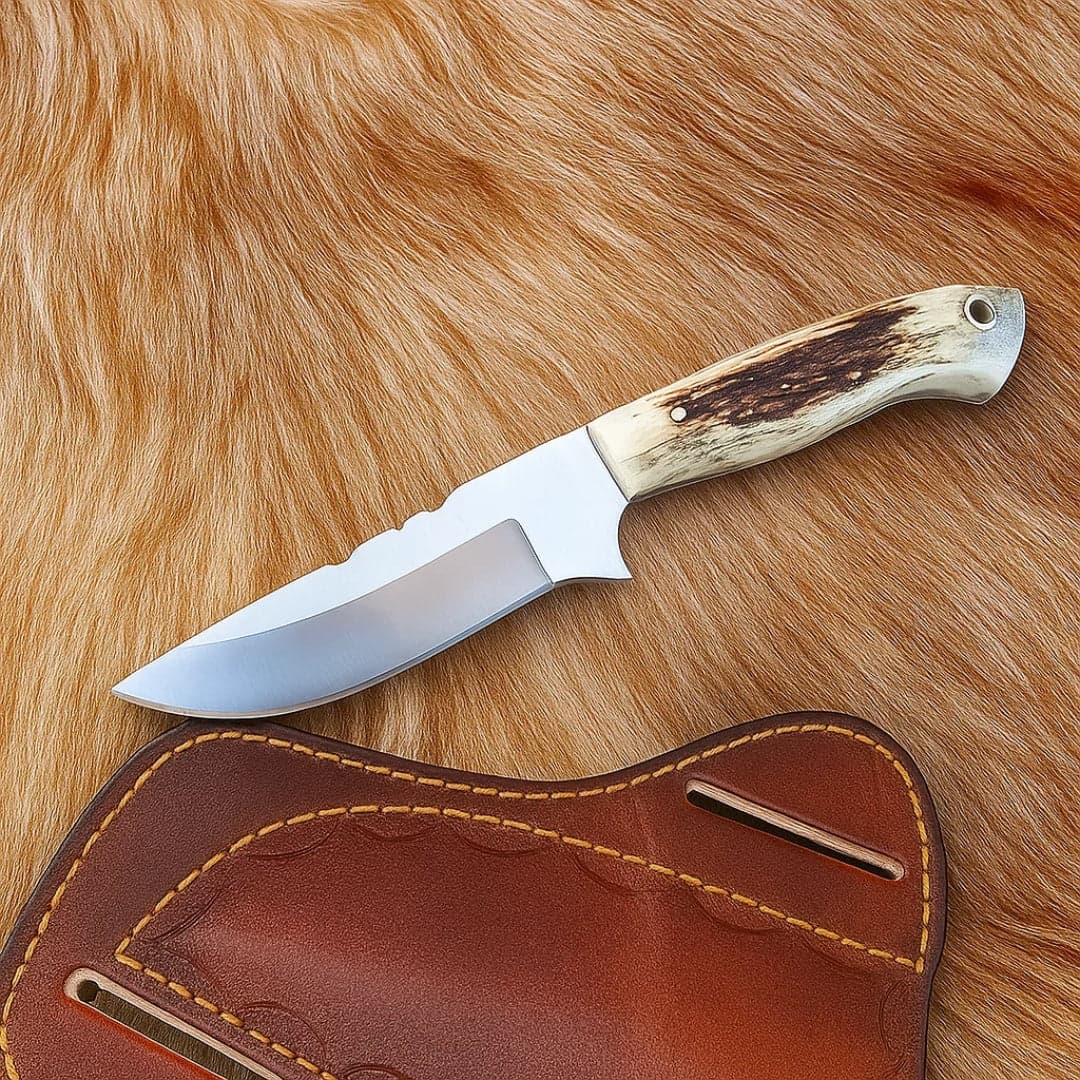
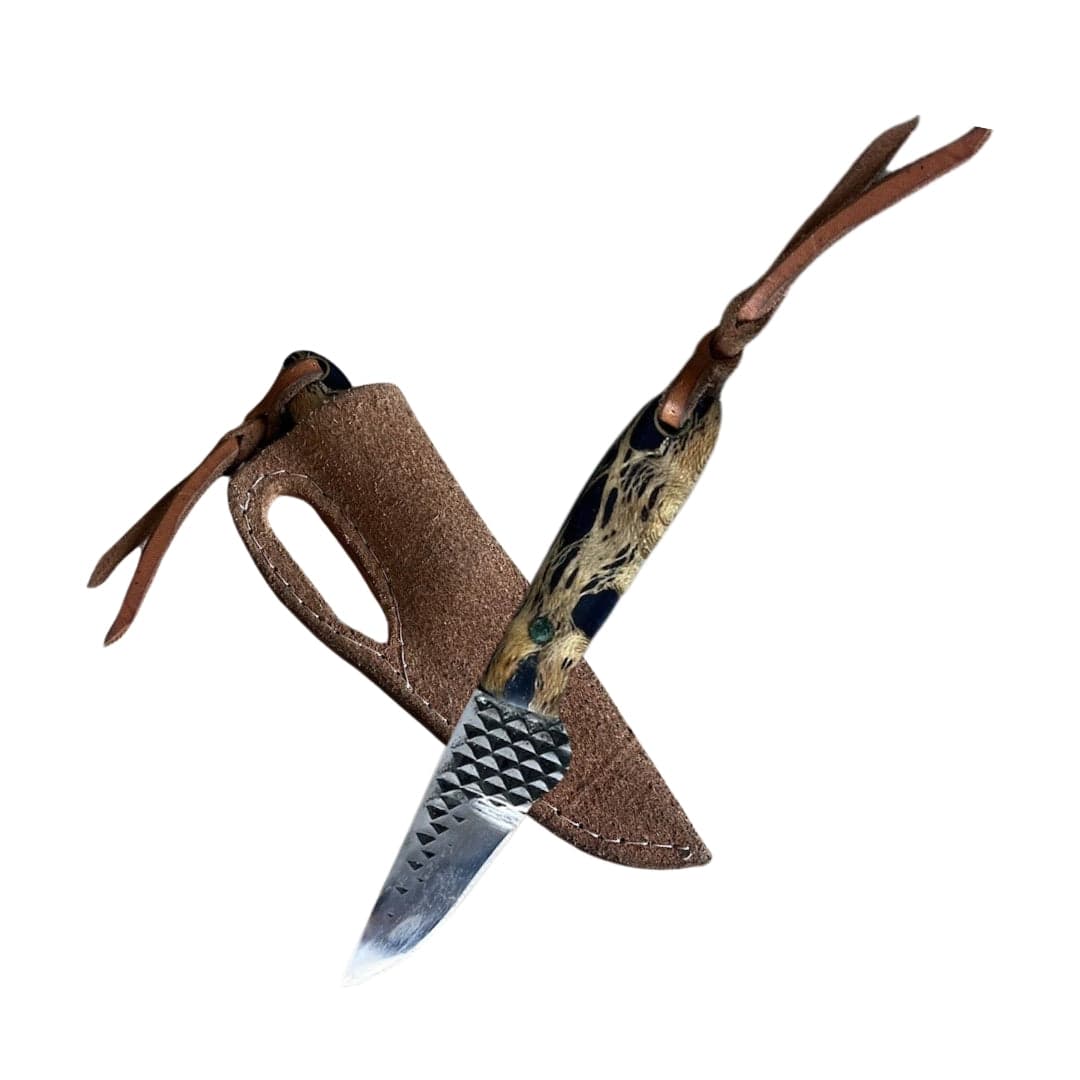
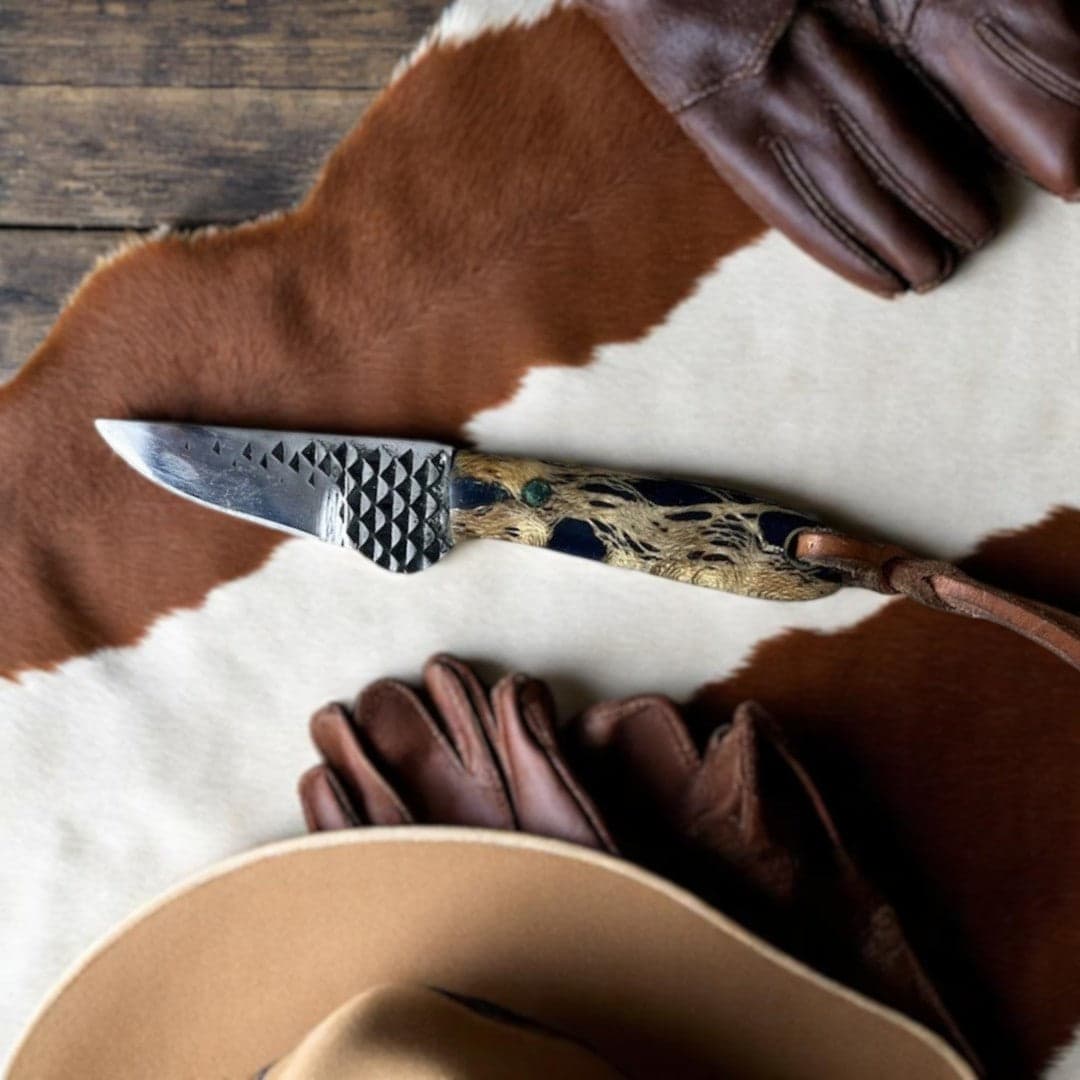
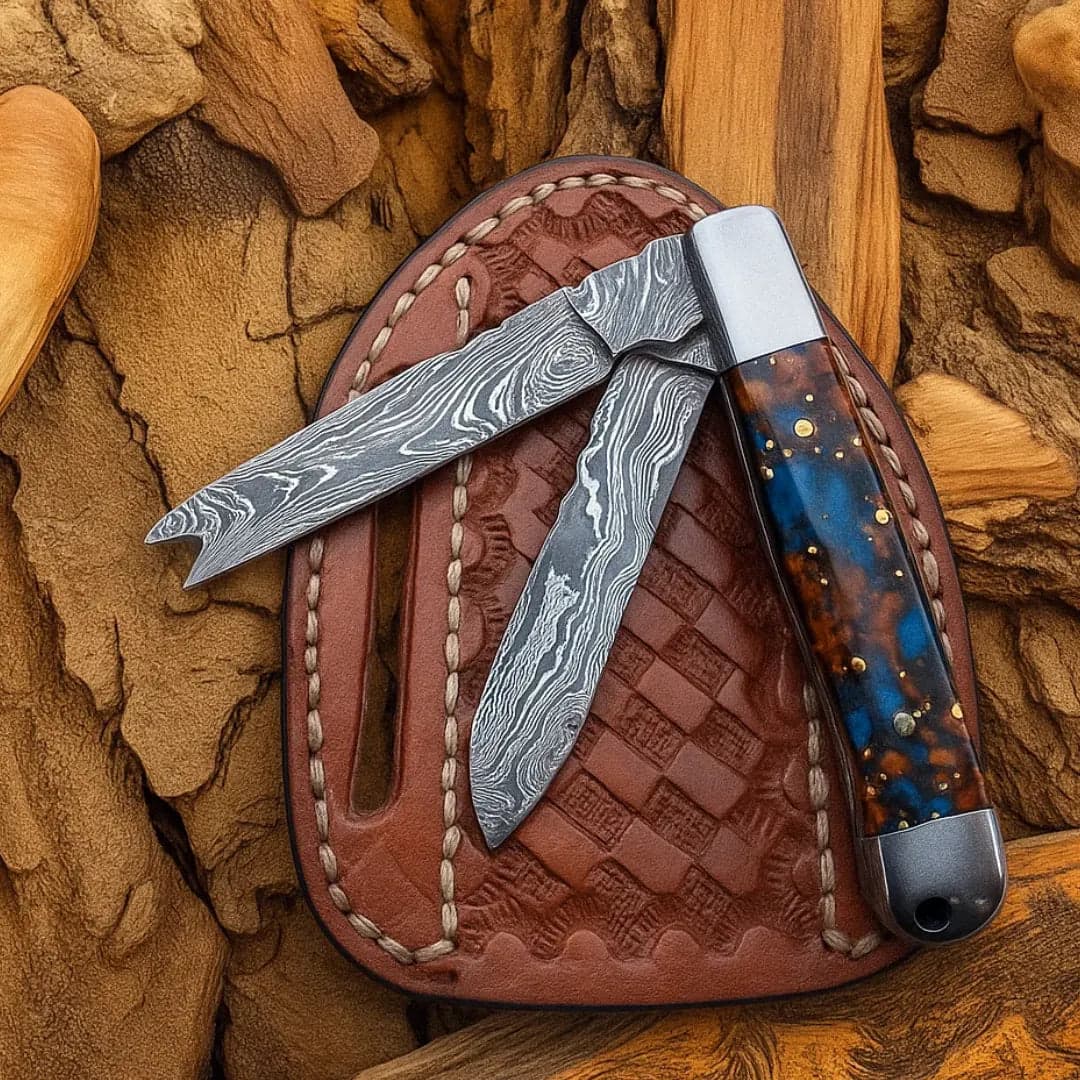
Handmade, forged Damascus steel blades built for skinning, field dressing, and the hunt — trusted by hunters as the best hunting knife for performance and heirloom quality.
What Makes a Custom Hand Forged Damascus Steel Hunting Knife
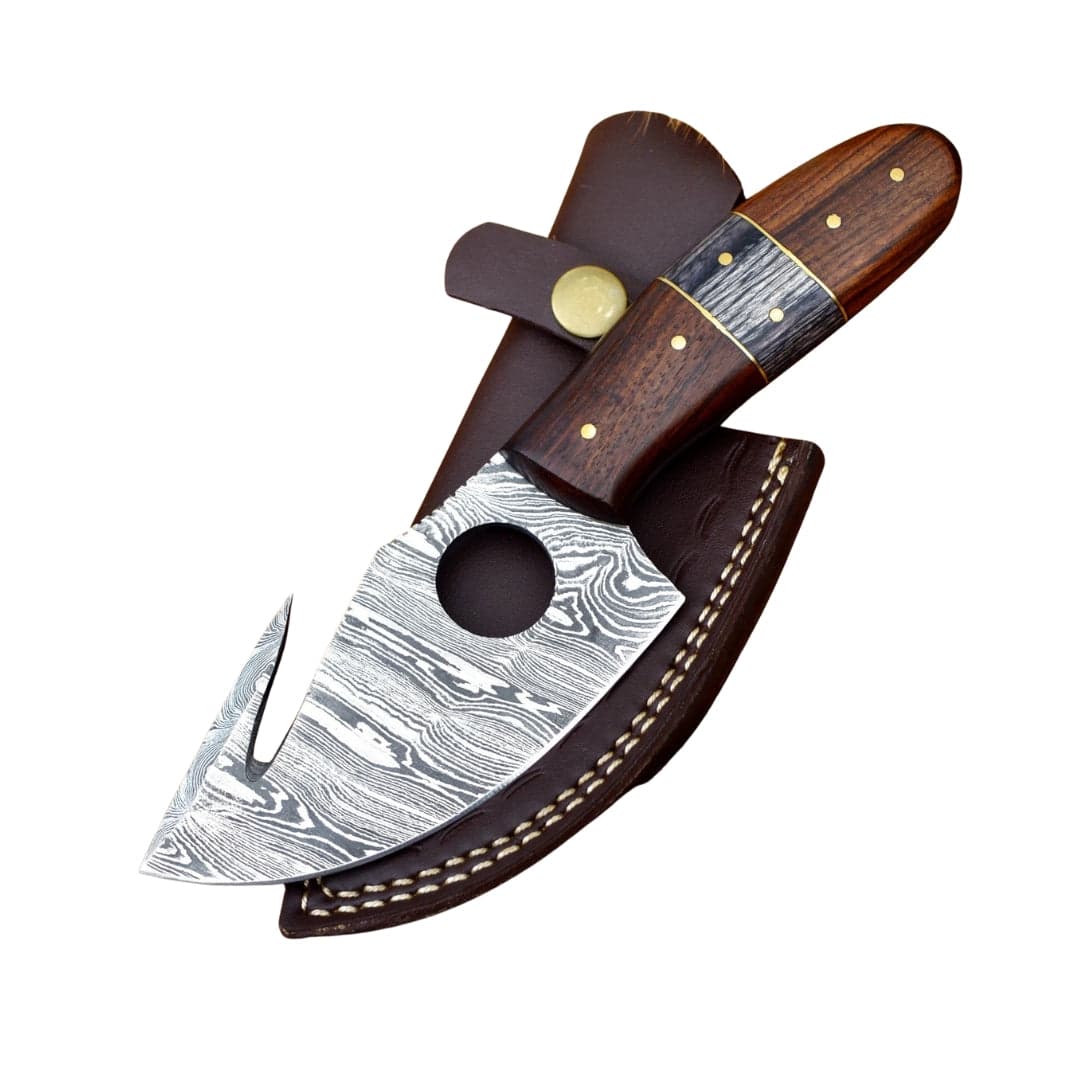
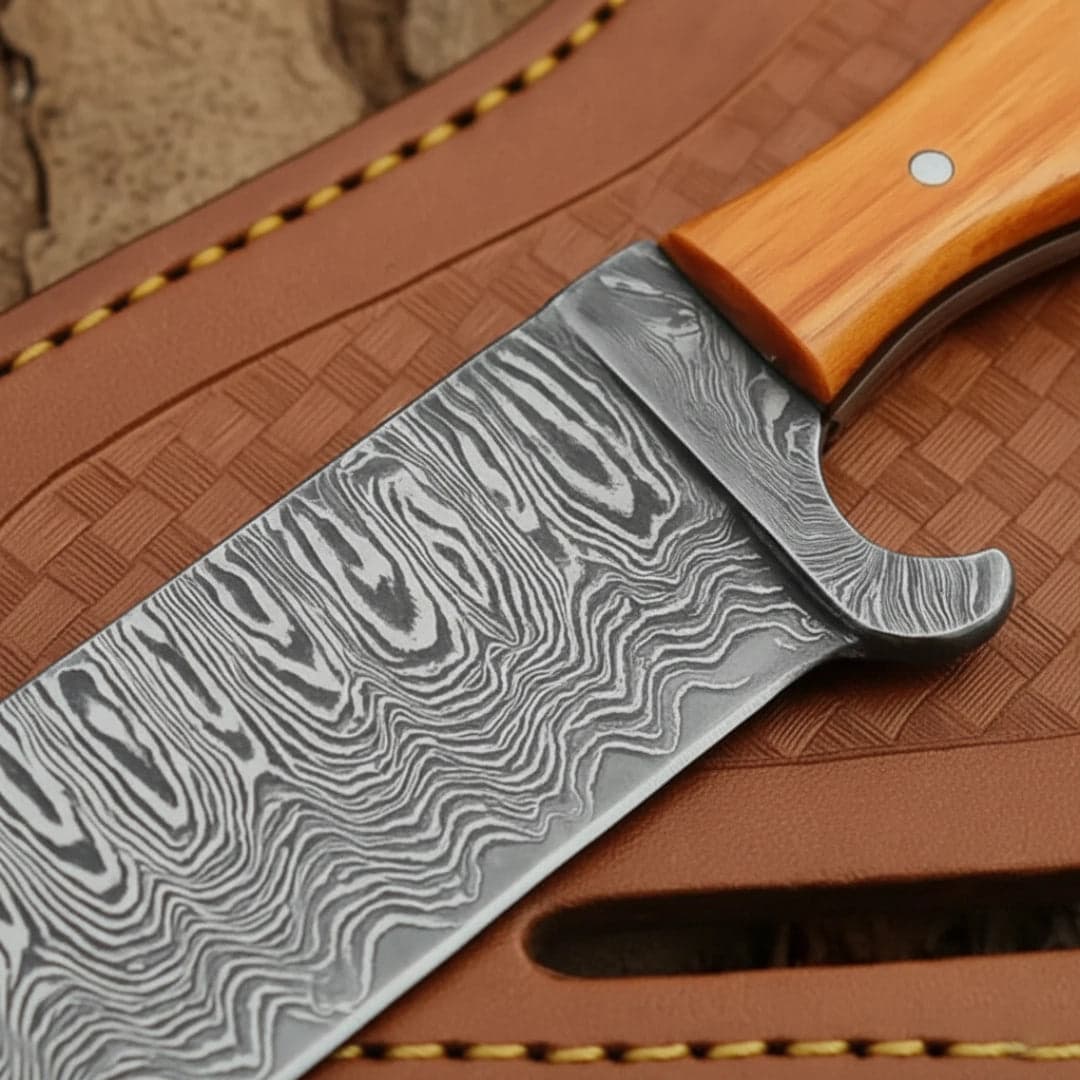
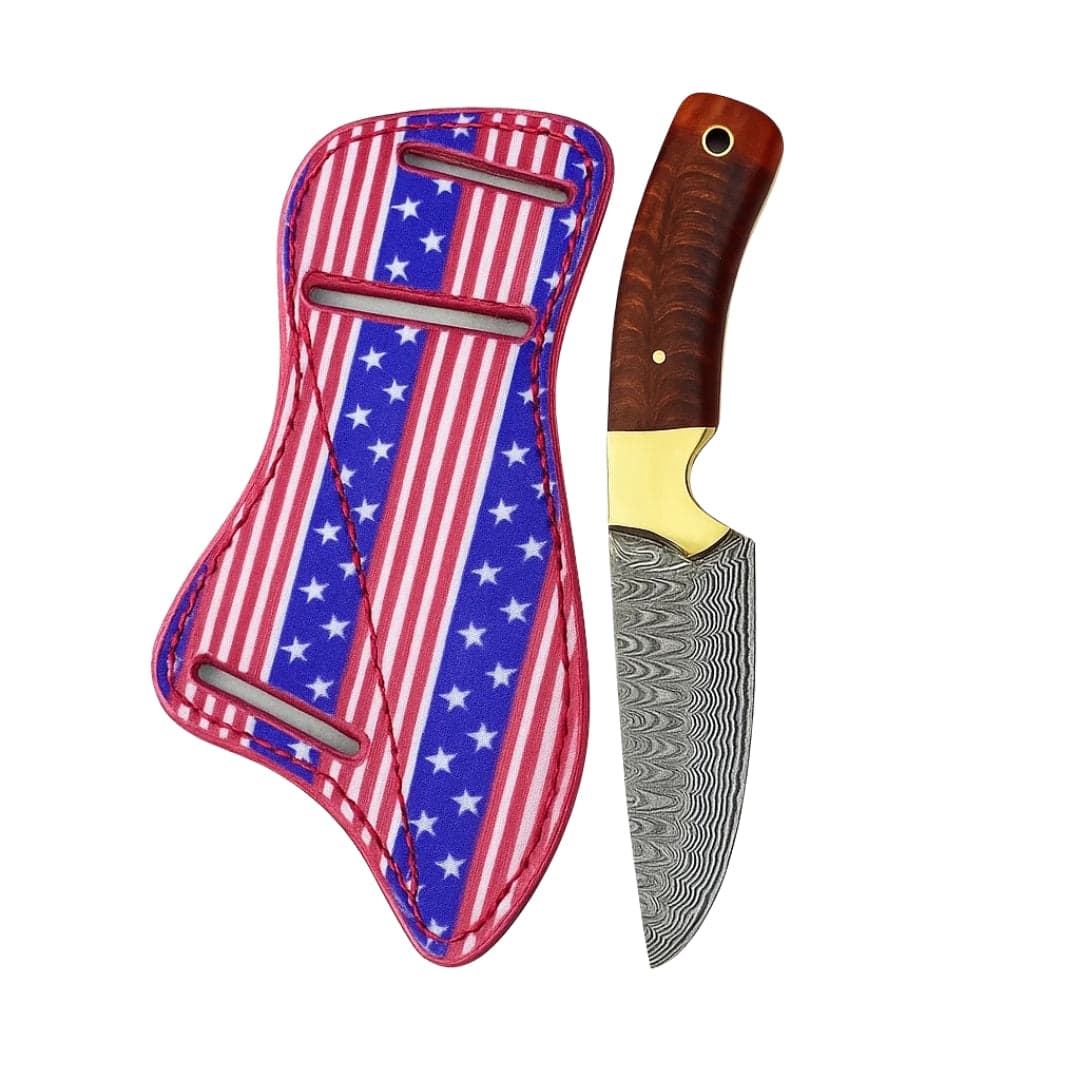
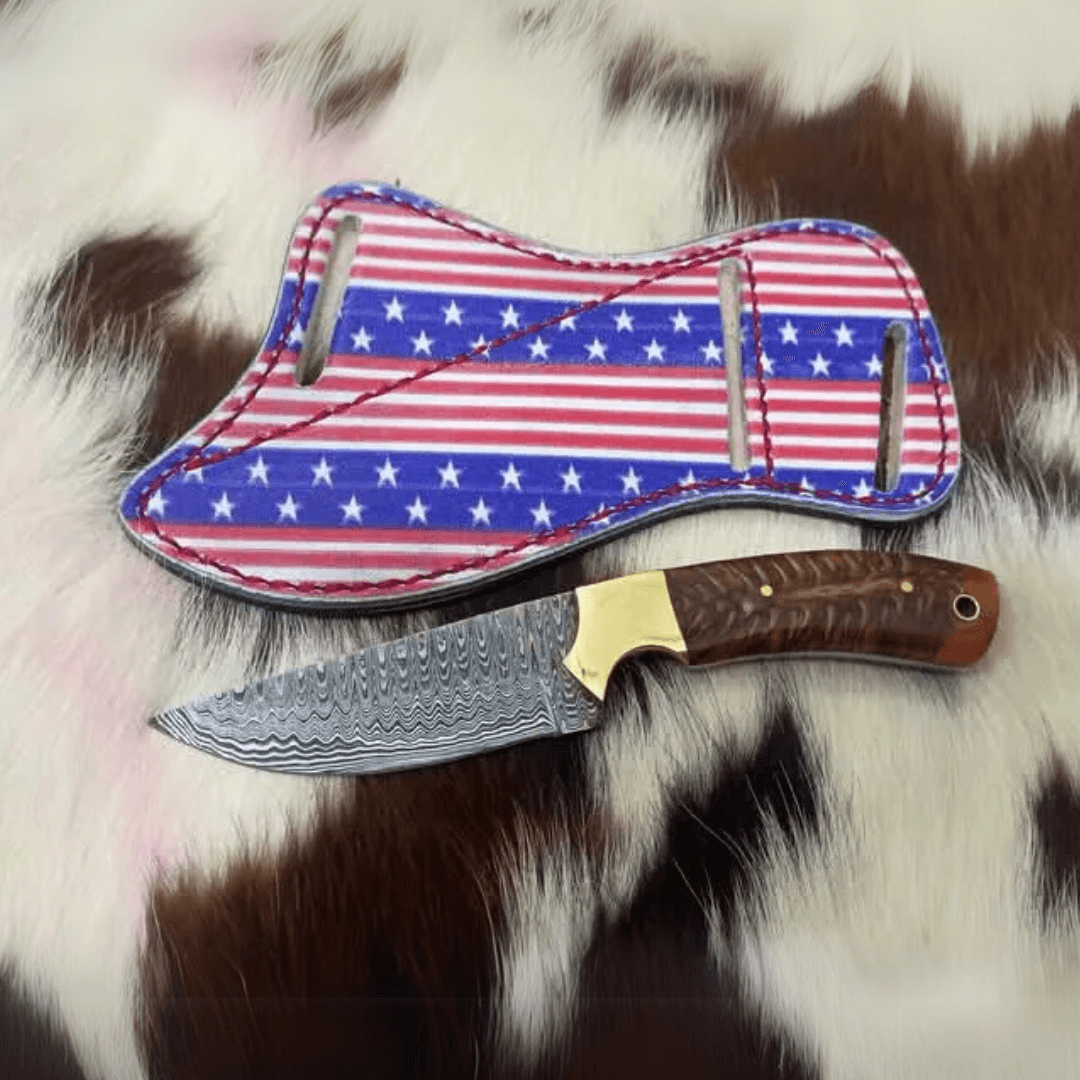
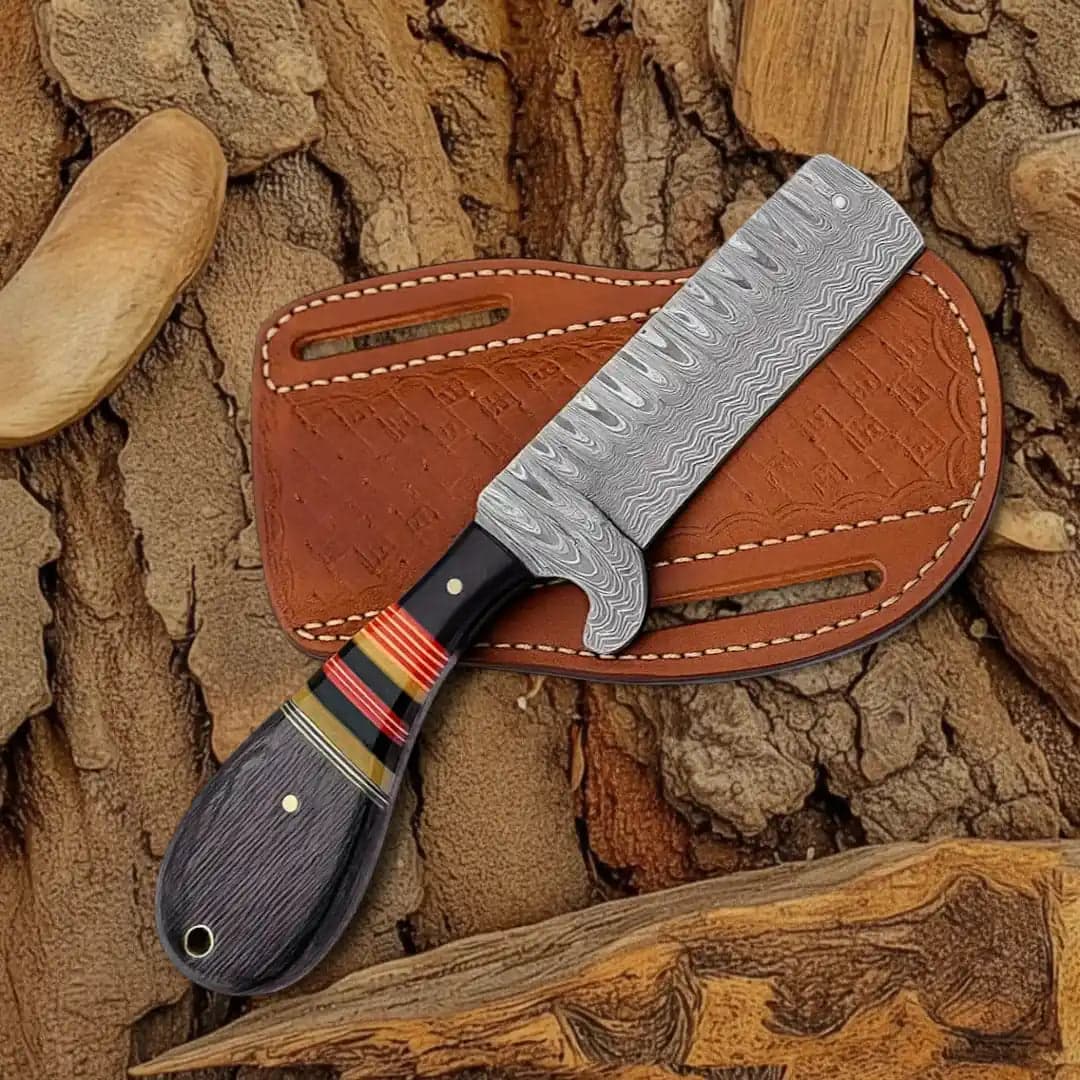
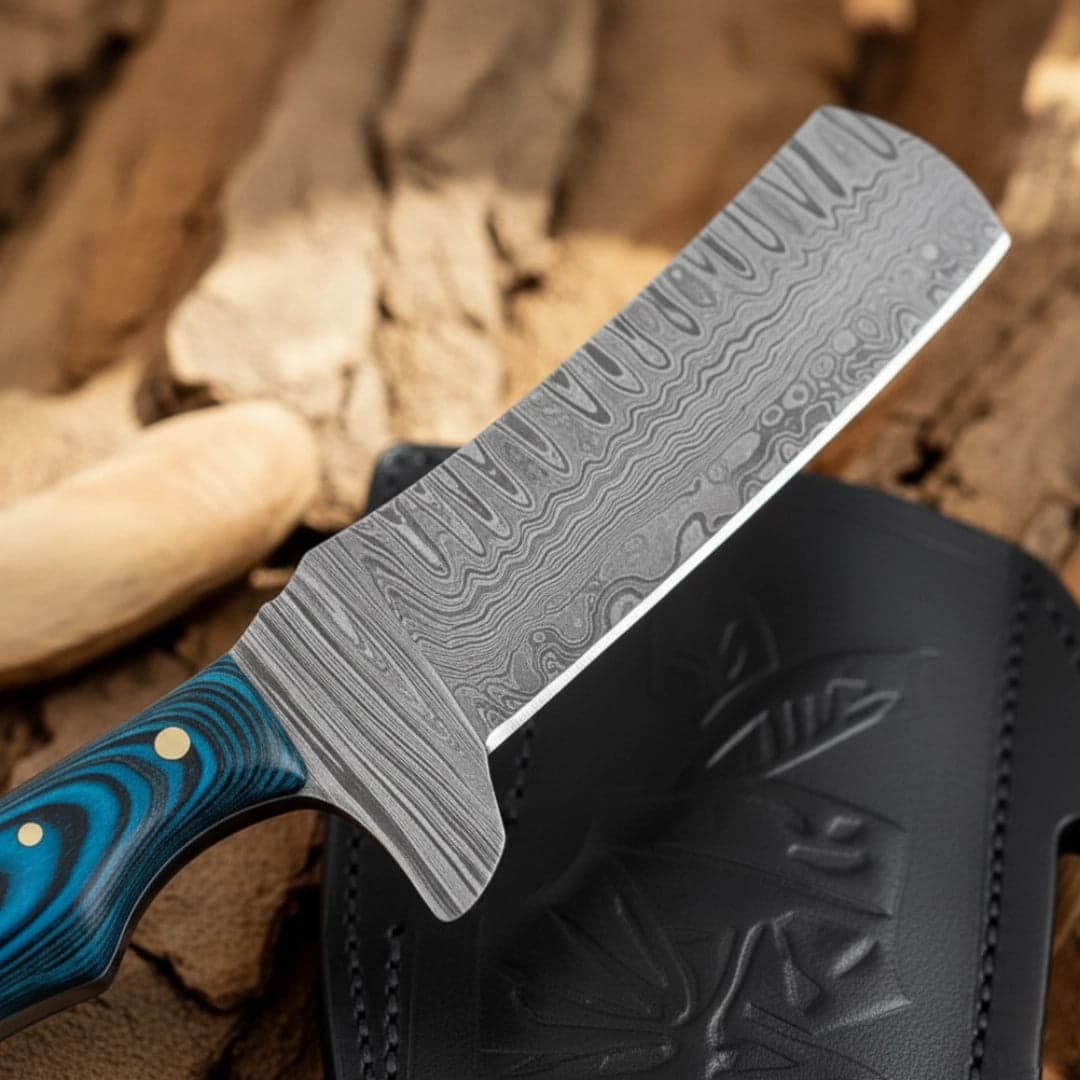
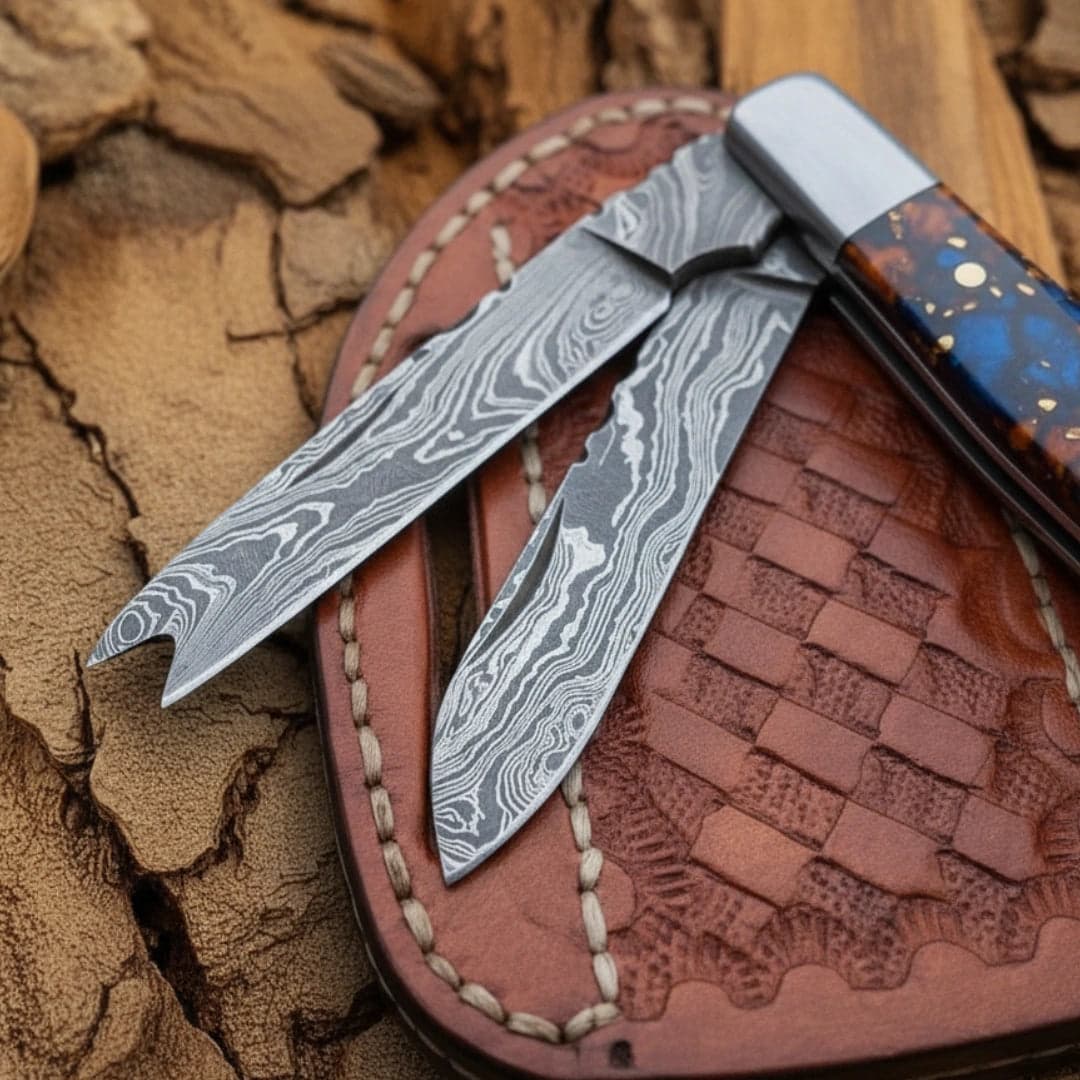
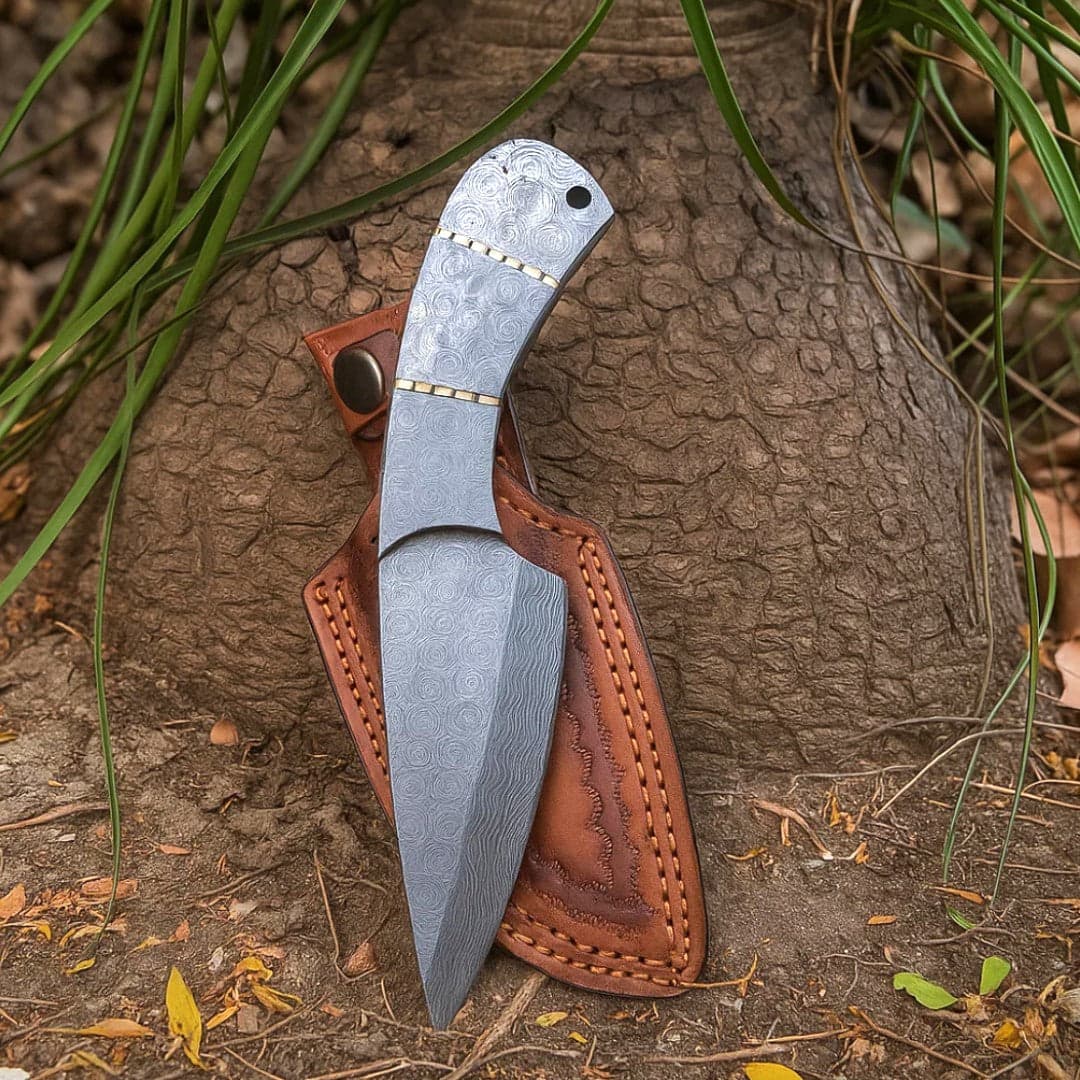
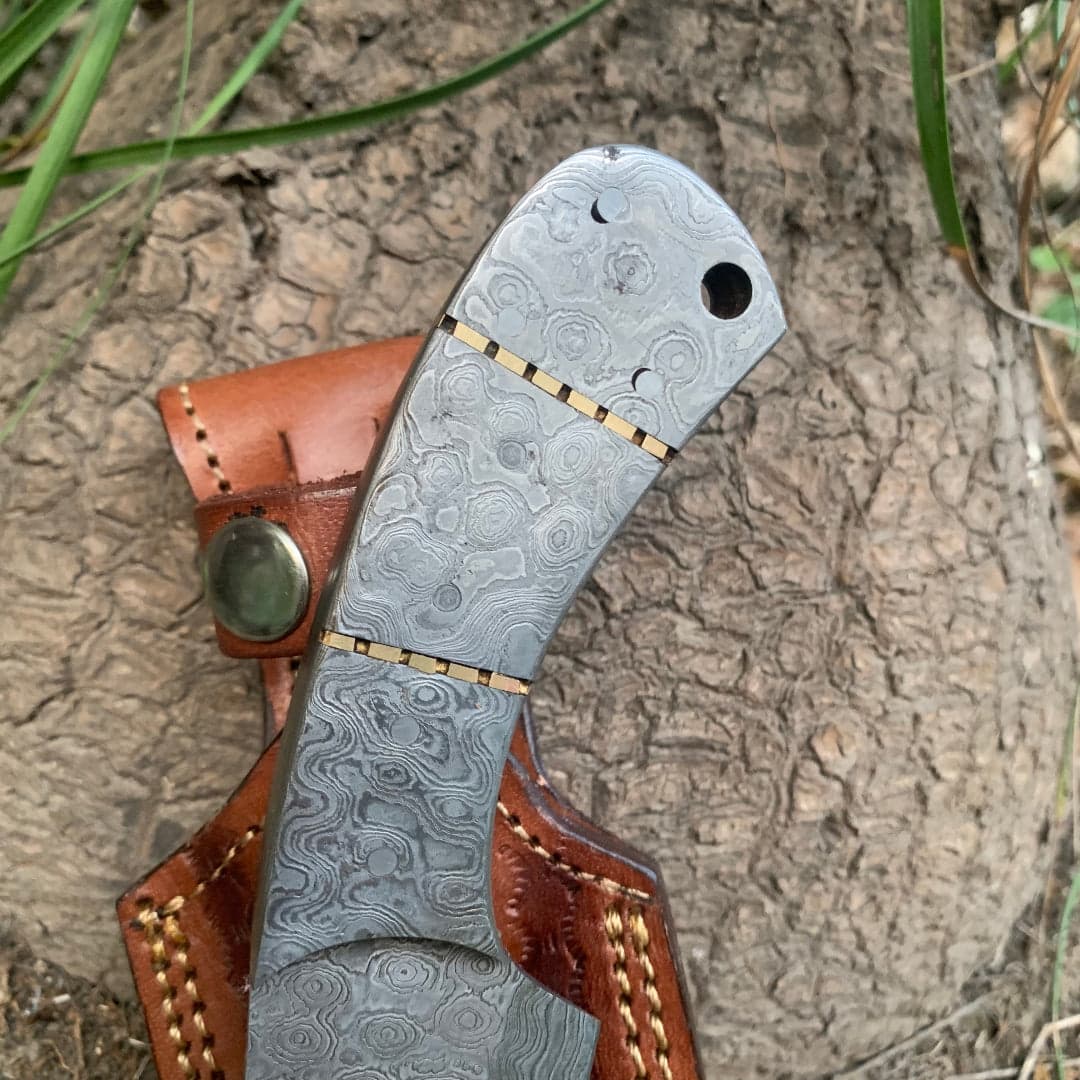
A hand-forged Damascus steel hunting knife starts as individual bars of high-carbon and low-carbon steel — typically 1095 and 15N20 — that a smith stacks, heats, and hammer-welds into a single billet. The billet is then folded and drawn out repeatedly, sometimes 200 to 500+ times, before it's shaped into a blade and etched in acid. The etch is what reveals the layered pattern; the folding is what gives the steel its edge retention and toughness. This is why a true hand-forged blade behaves differently under use than a stamped, single-alloy factory knife: the folded structure resists chipping while still holding a fine edge through repeated field dressing and skinning.
Every knife in this collection is hand forged, not laser-cut from patterned sheet stock, and each is heat treated to 58-60 HRC — hard enough to hold an edge through a full hunting season, soft enough to resharpen in the field without cracking.
Choosing the Best Hunting Knife for Your Style of Hunt
Not every hunting knife is built for the same job, so match the blade to the task:
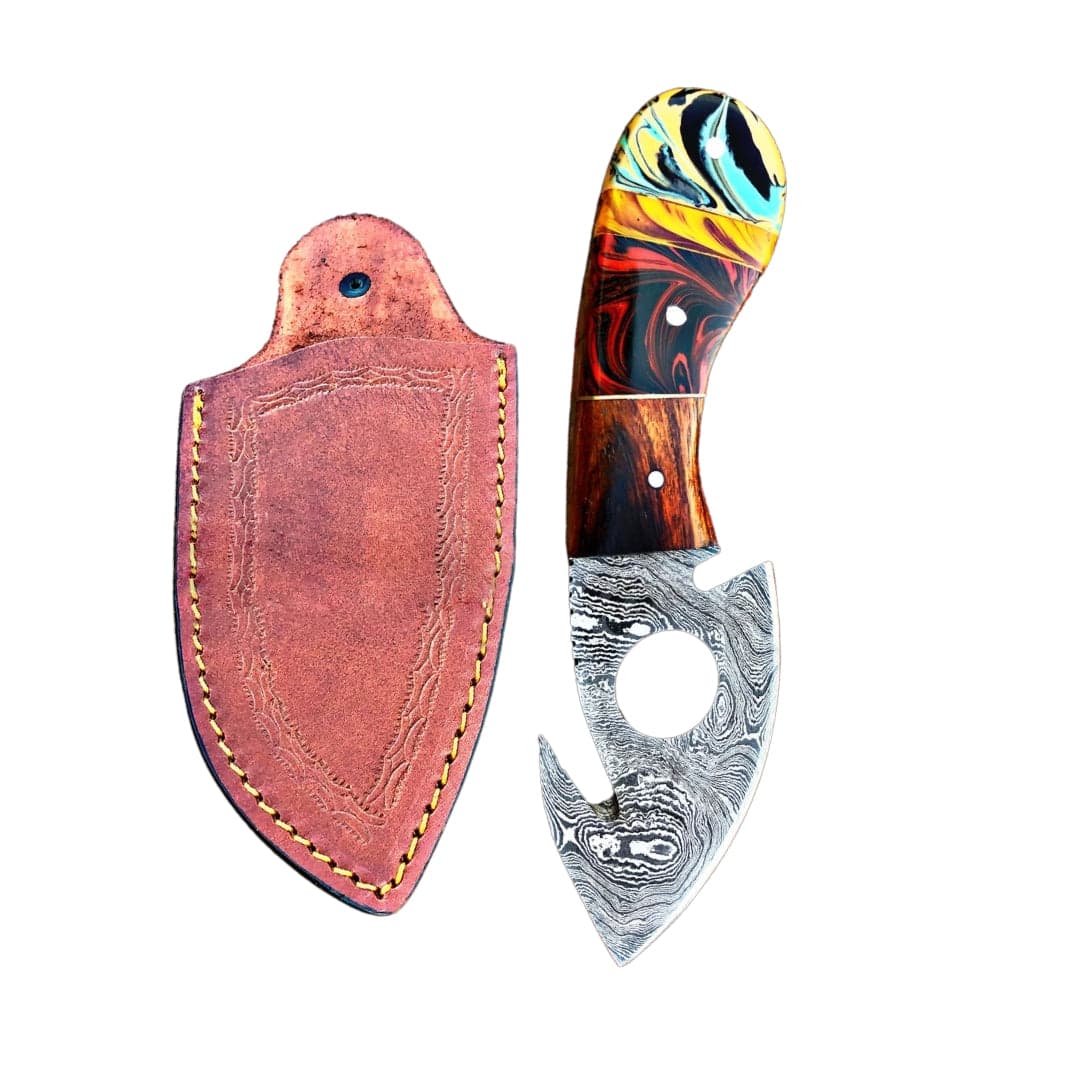
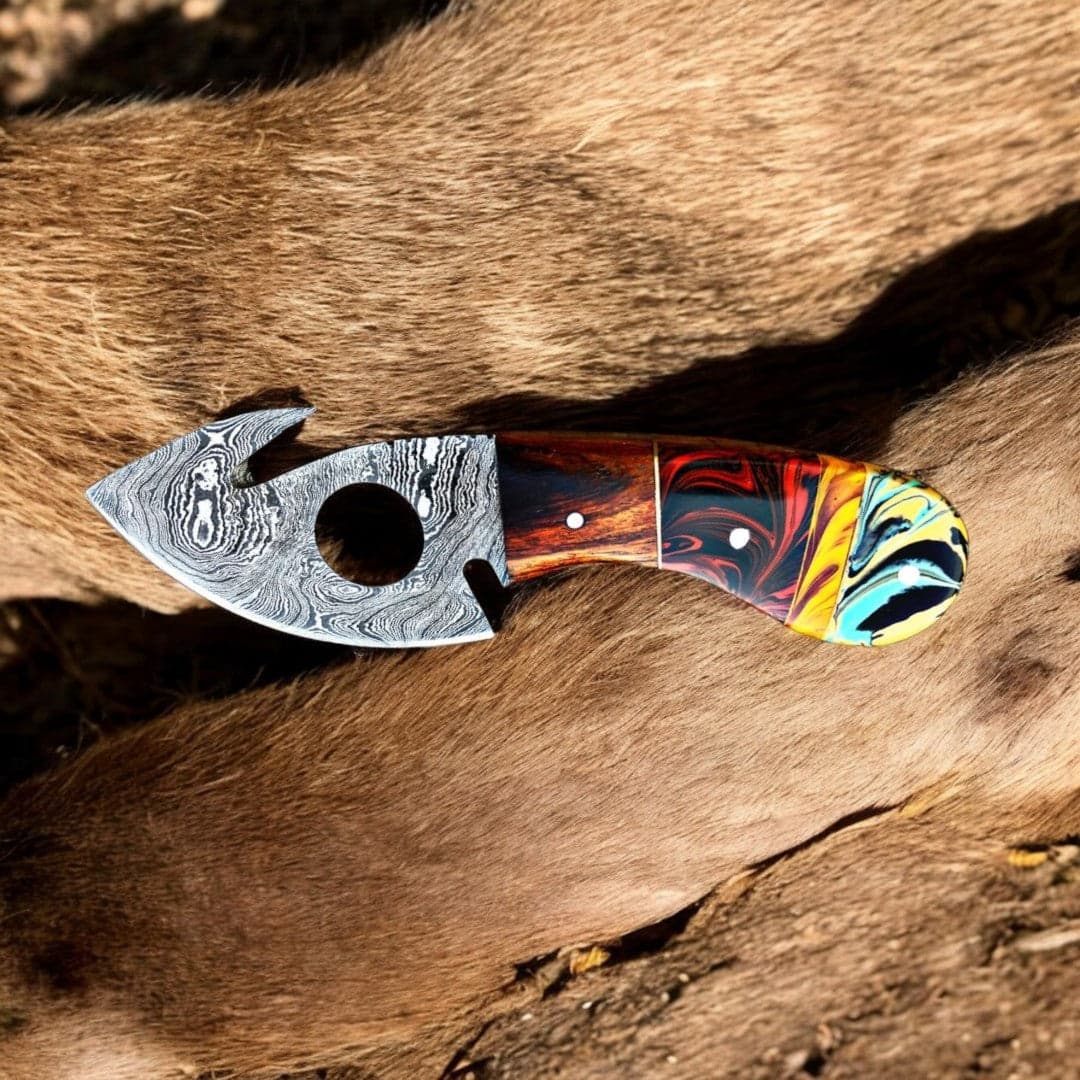
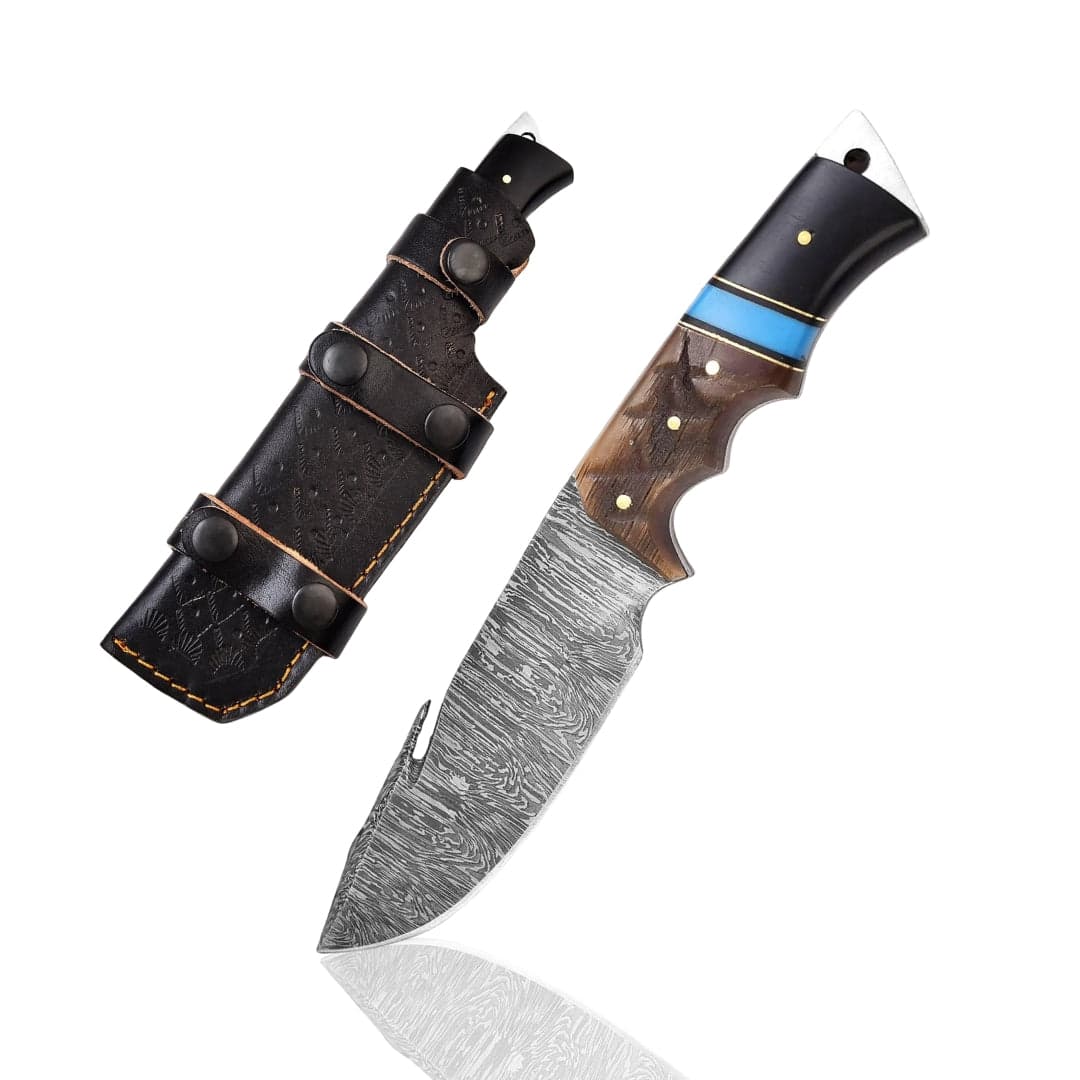
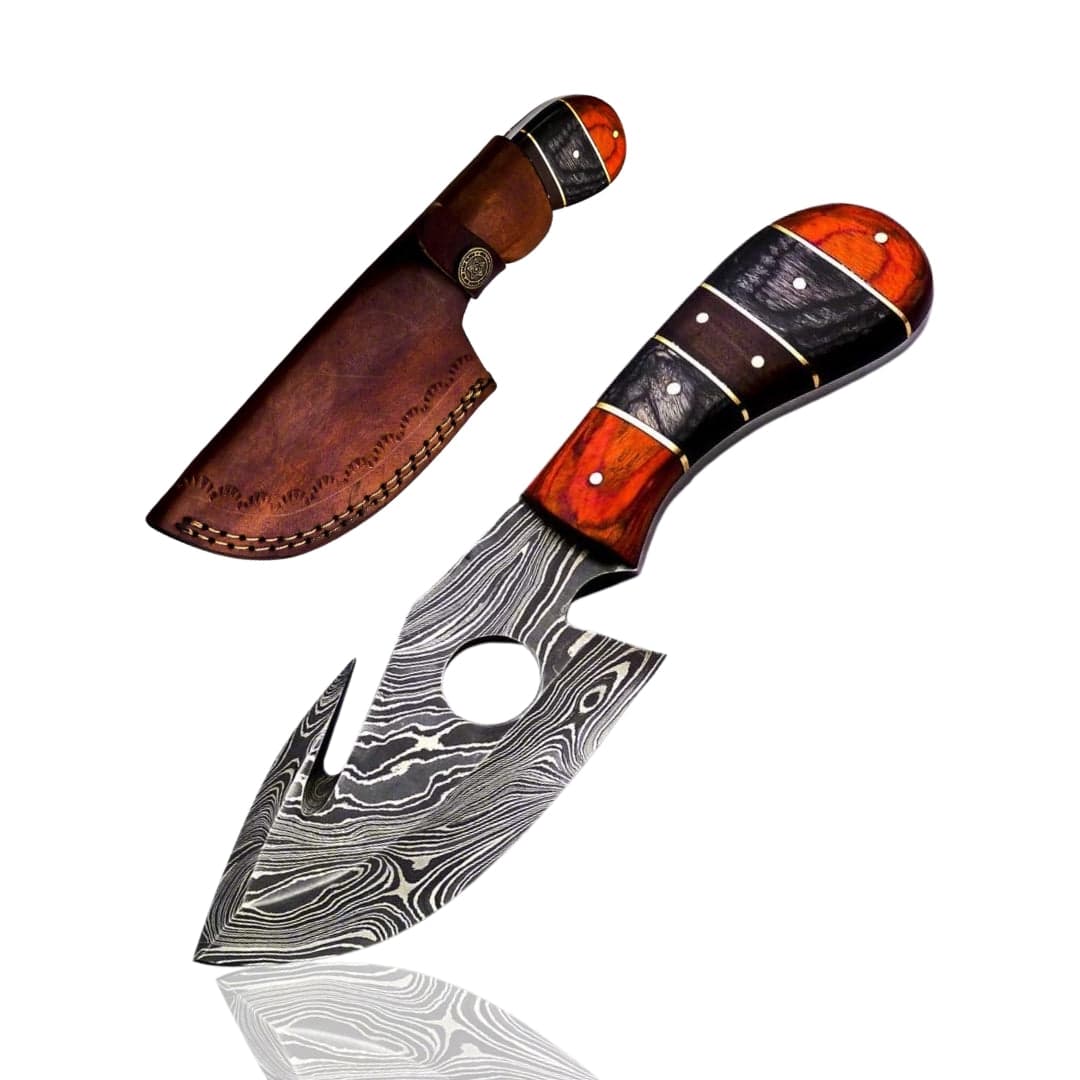
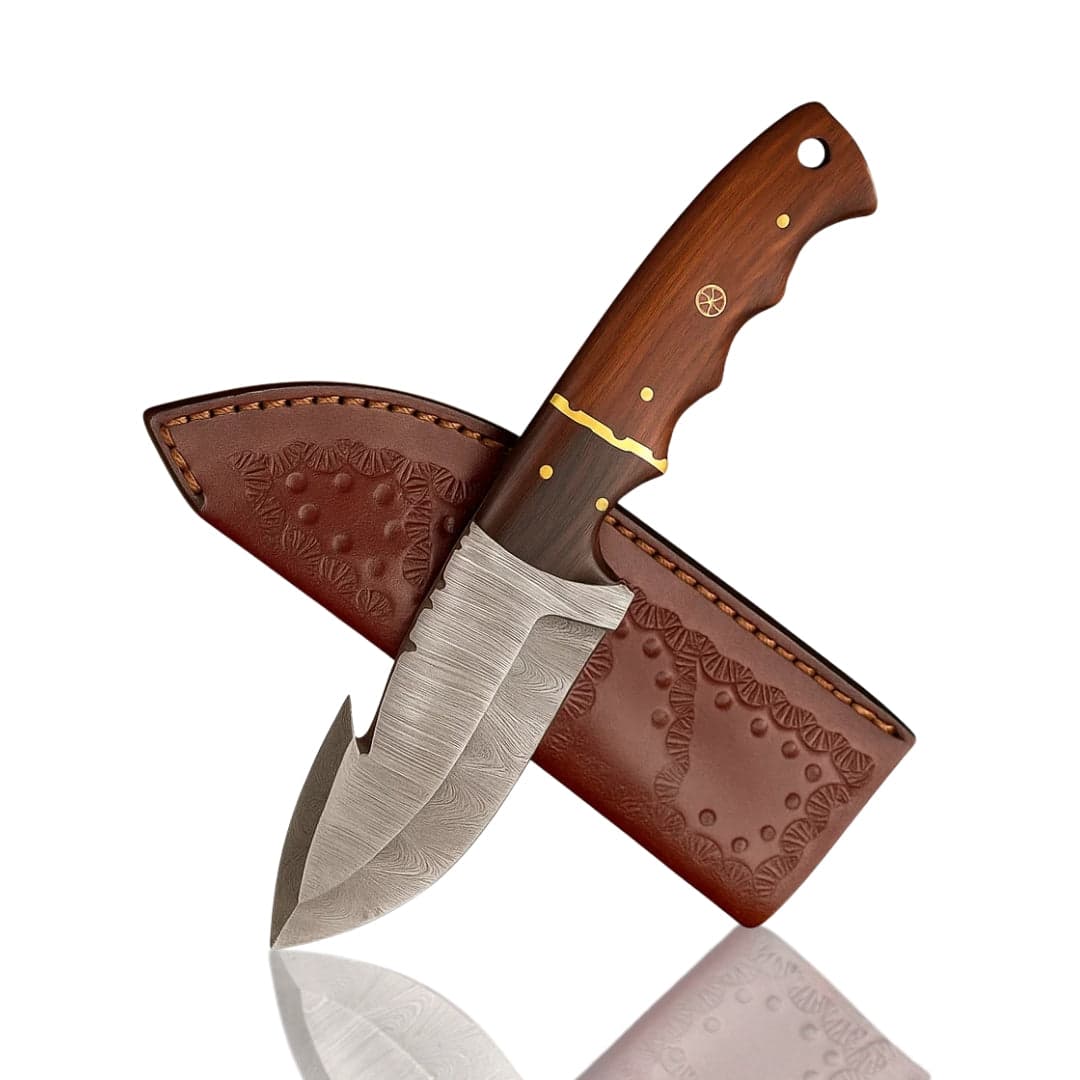
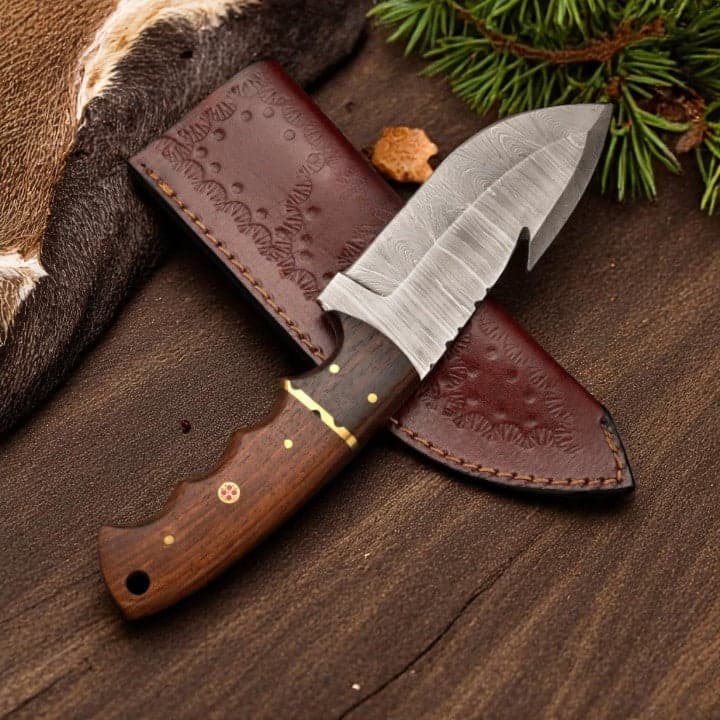
- Gut hook skinners — a hooked secondary edge opens the hide without puncturing the gut cavity, making these the fastest option for field dressing deer, elk, and other big game.
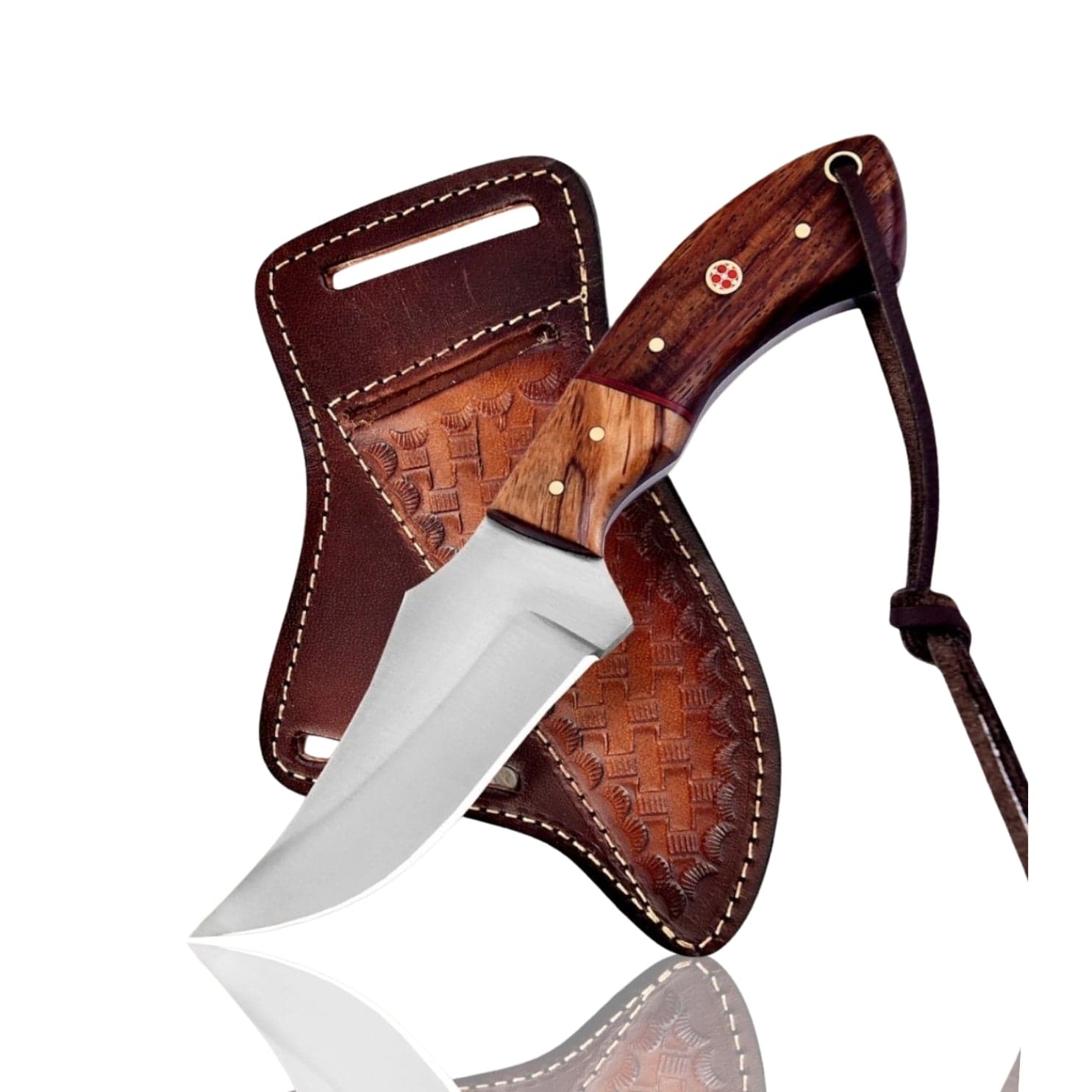
- Drop-point fixed blades — a full-tang, single-edge blade for general skinning, caping, and camp use where control matters more than a specialty hook.
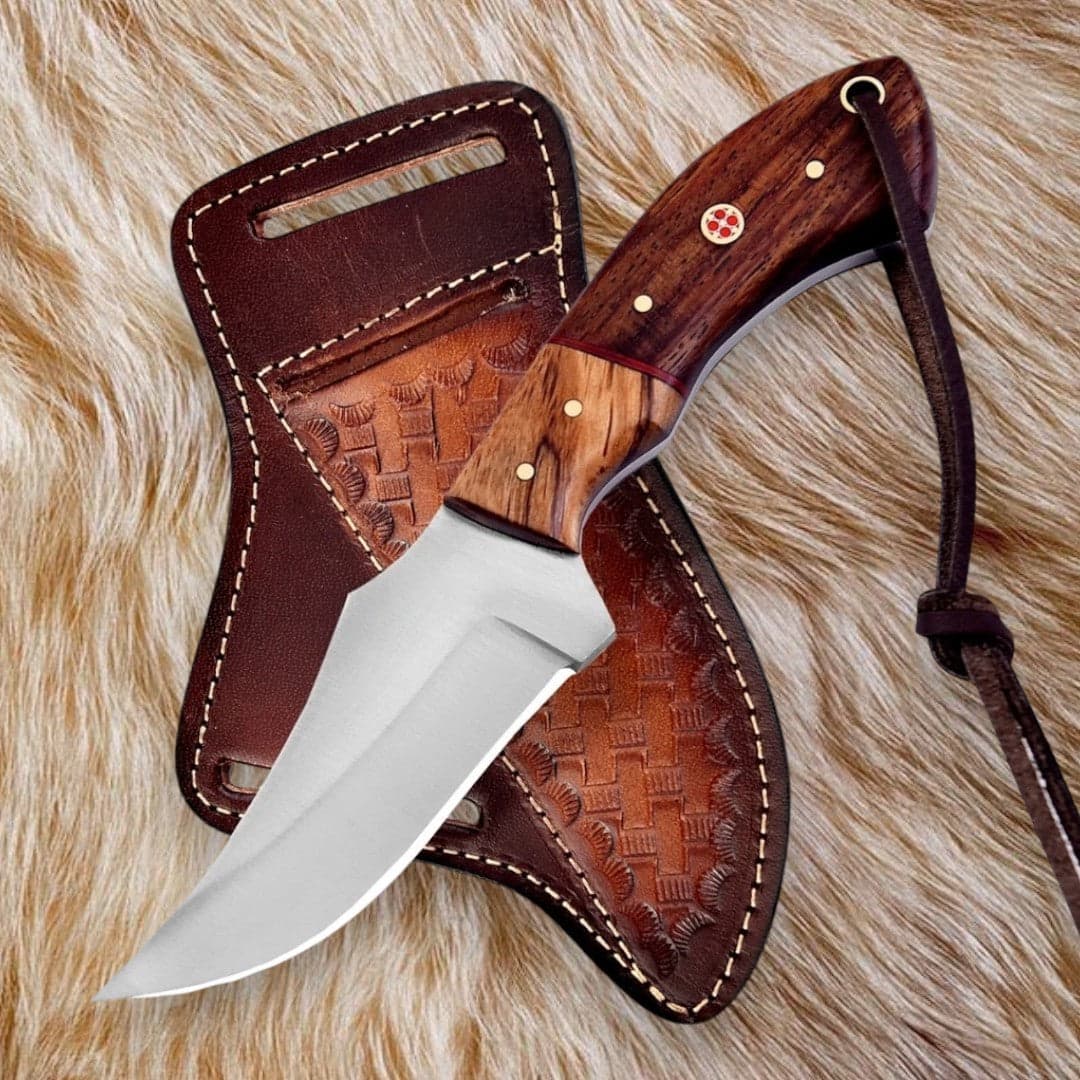
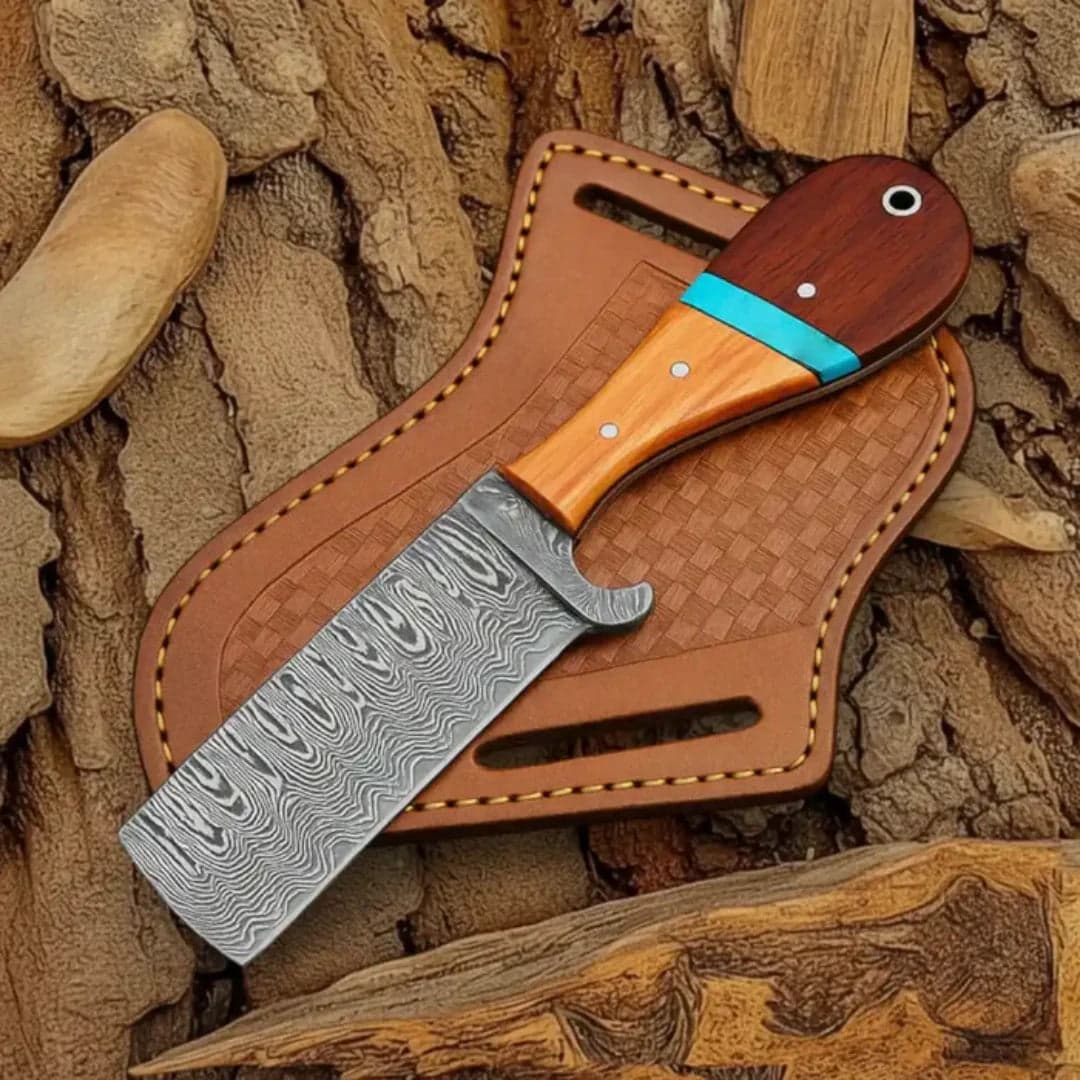
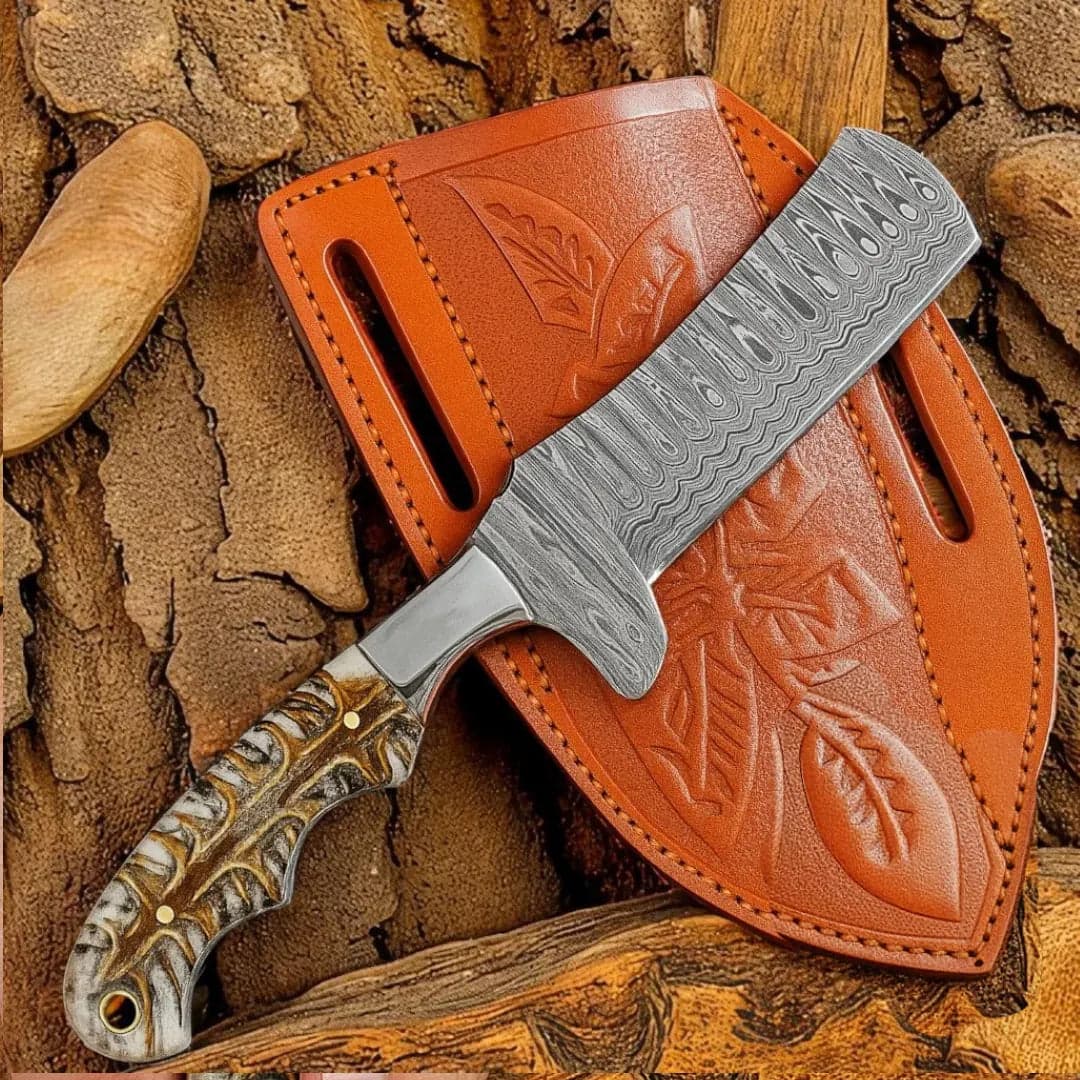
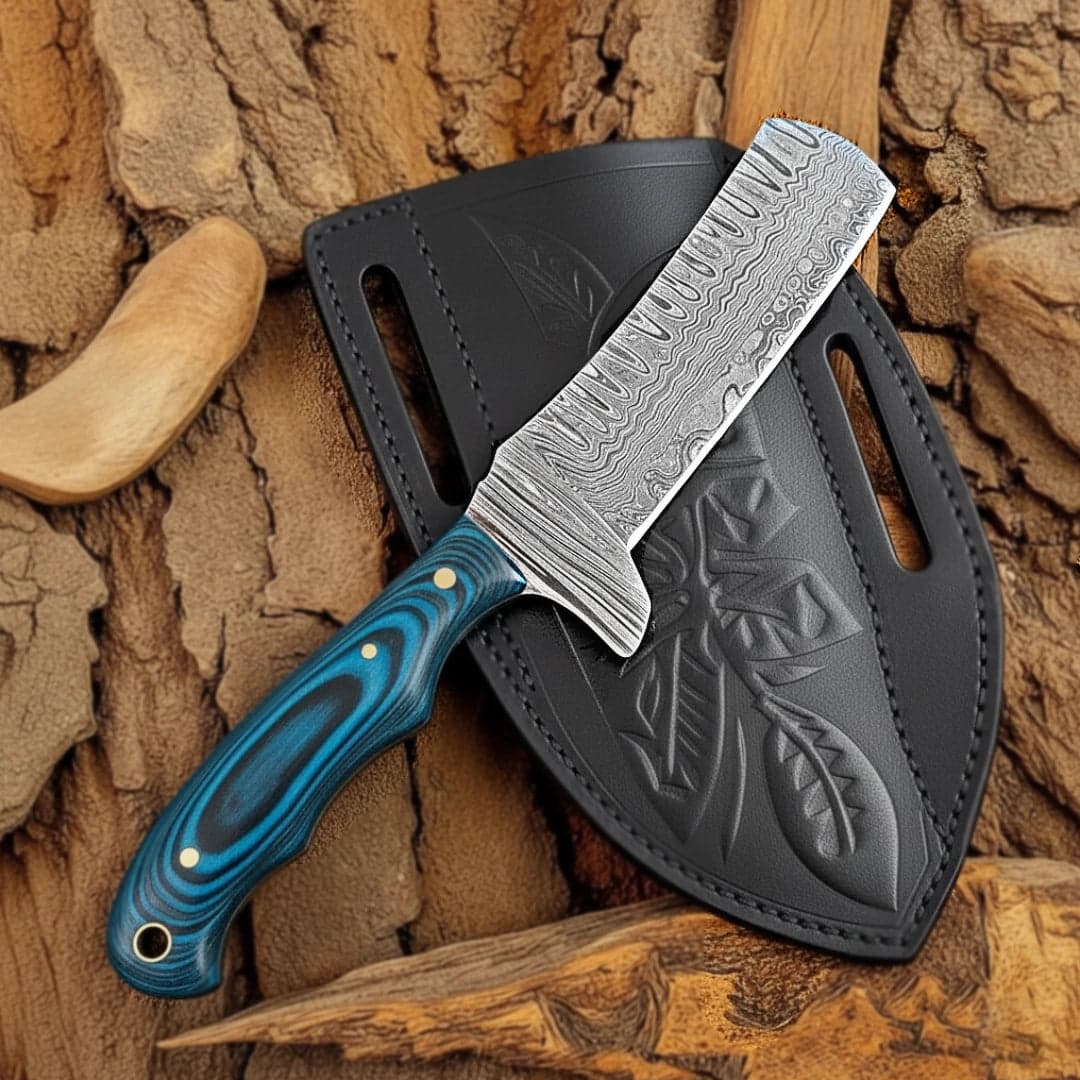
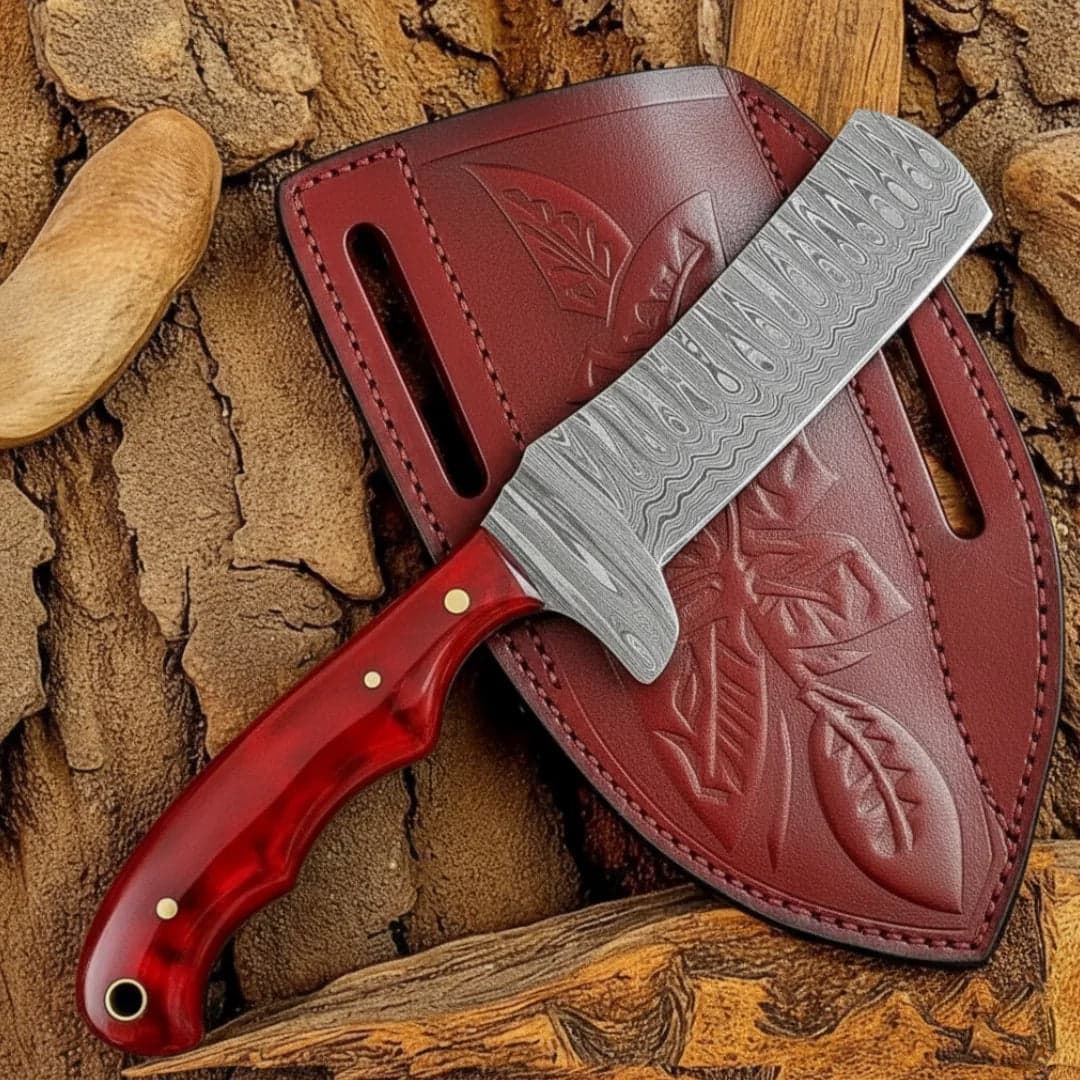
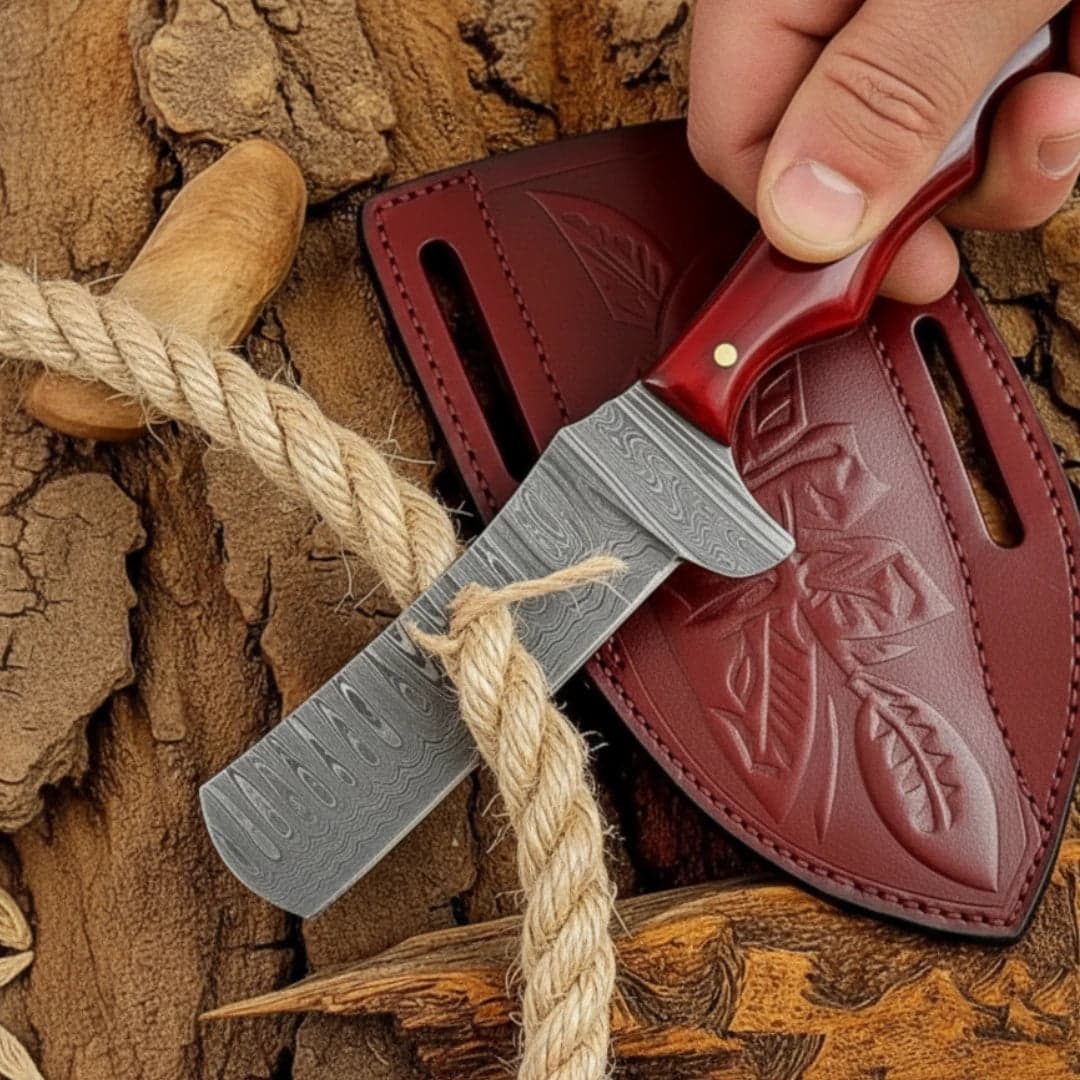
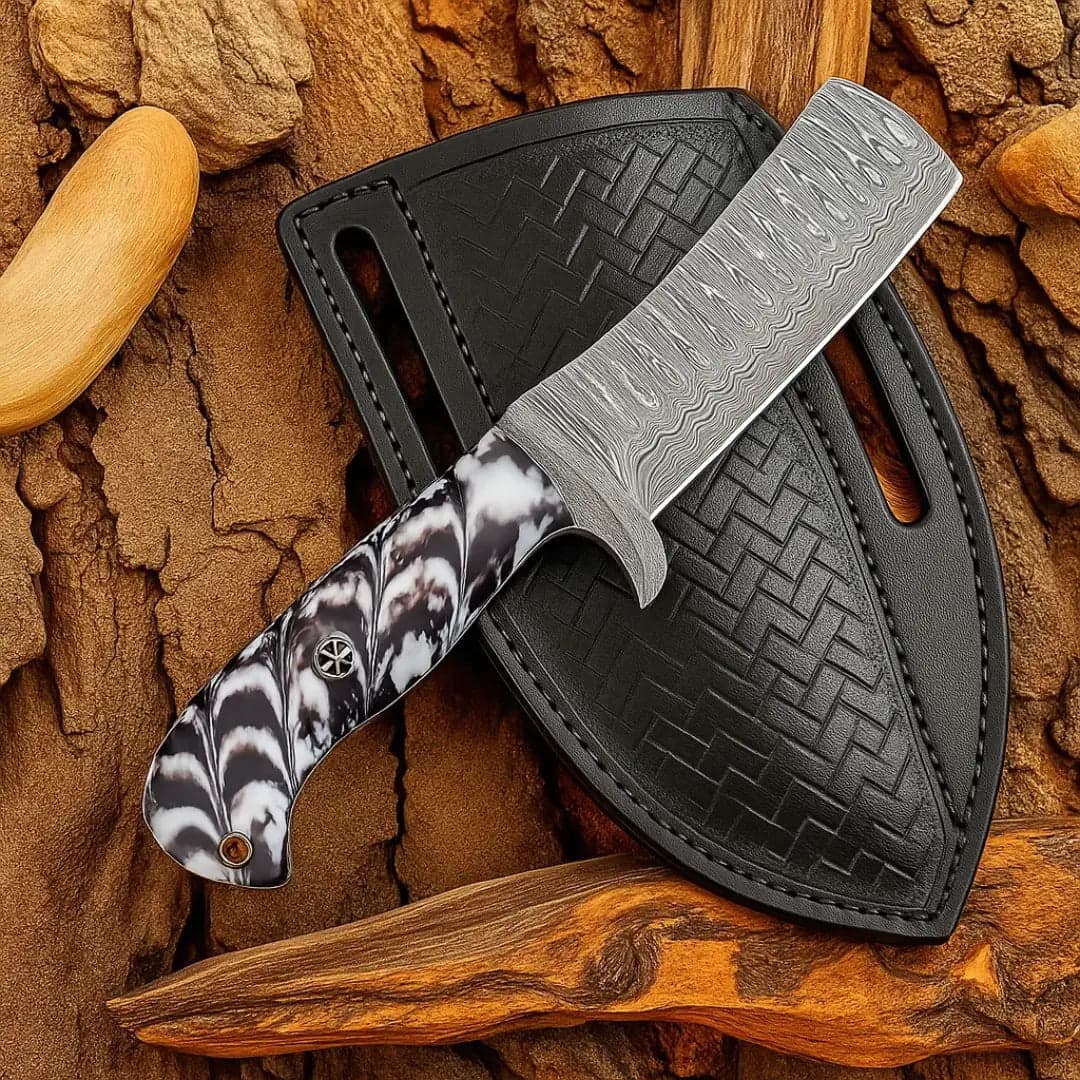
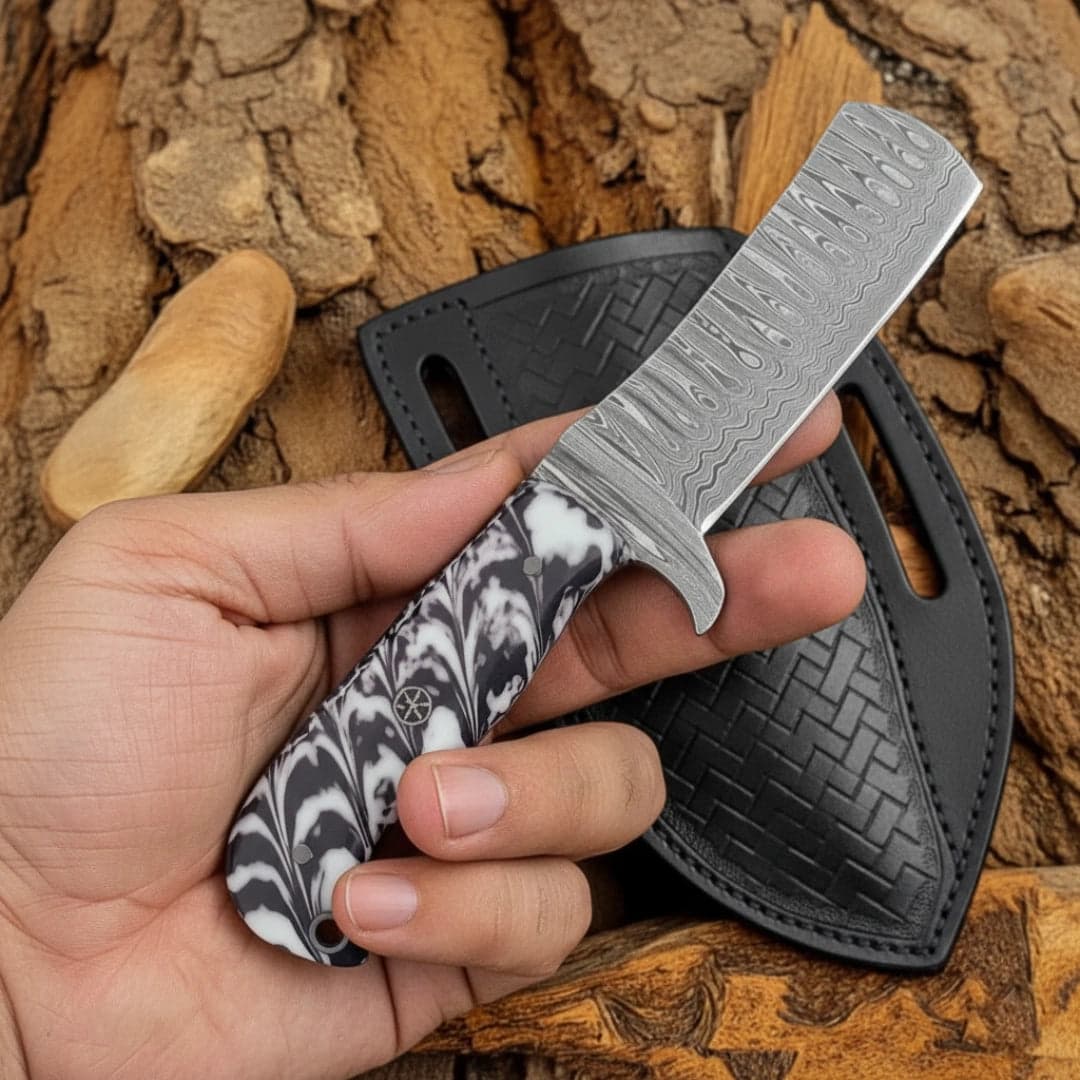
- Cowboy and bull cutter styles — wider, heavier blades suited to ranch work, rope, and heavy cutting alongside hunting duties. If your work leans more toward livestock or ranch tasks than game processing, our bull cutter knives collection is built specifically for that.
Blade length in the 8-11" overall range (4-5" cutting edge) is the sweet spot for most hunters — long enough for caping and skinning, short enough to control during fine cuts around joints and antlers.
Handle Materials and Grip in the Field
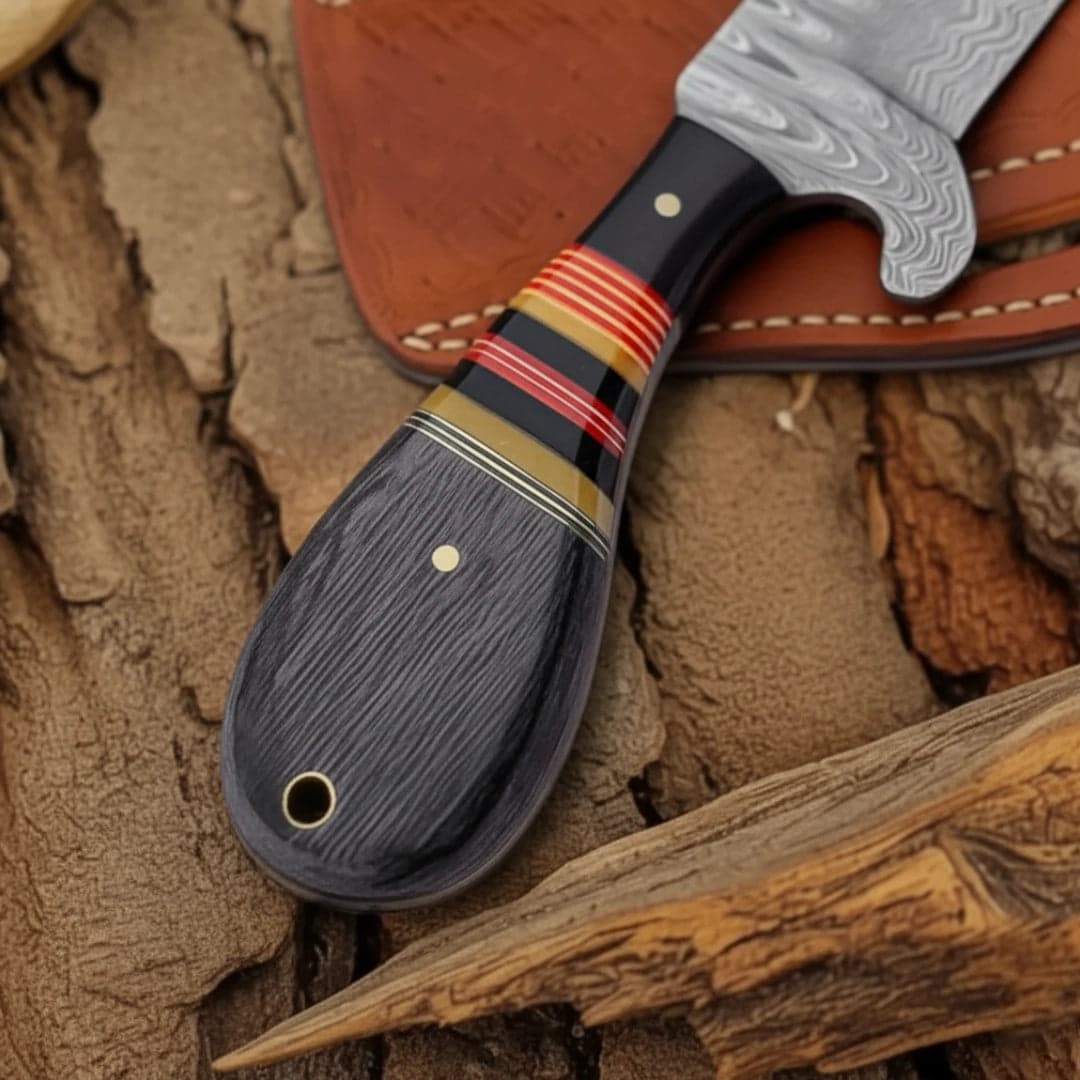
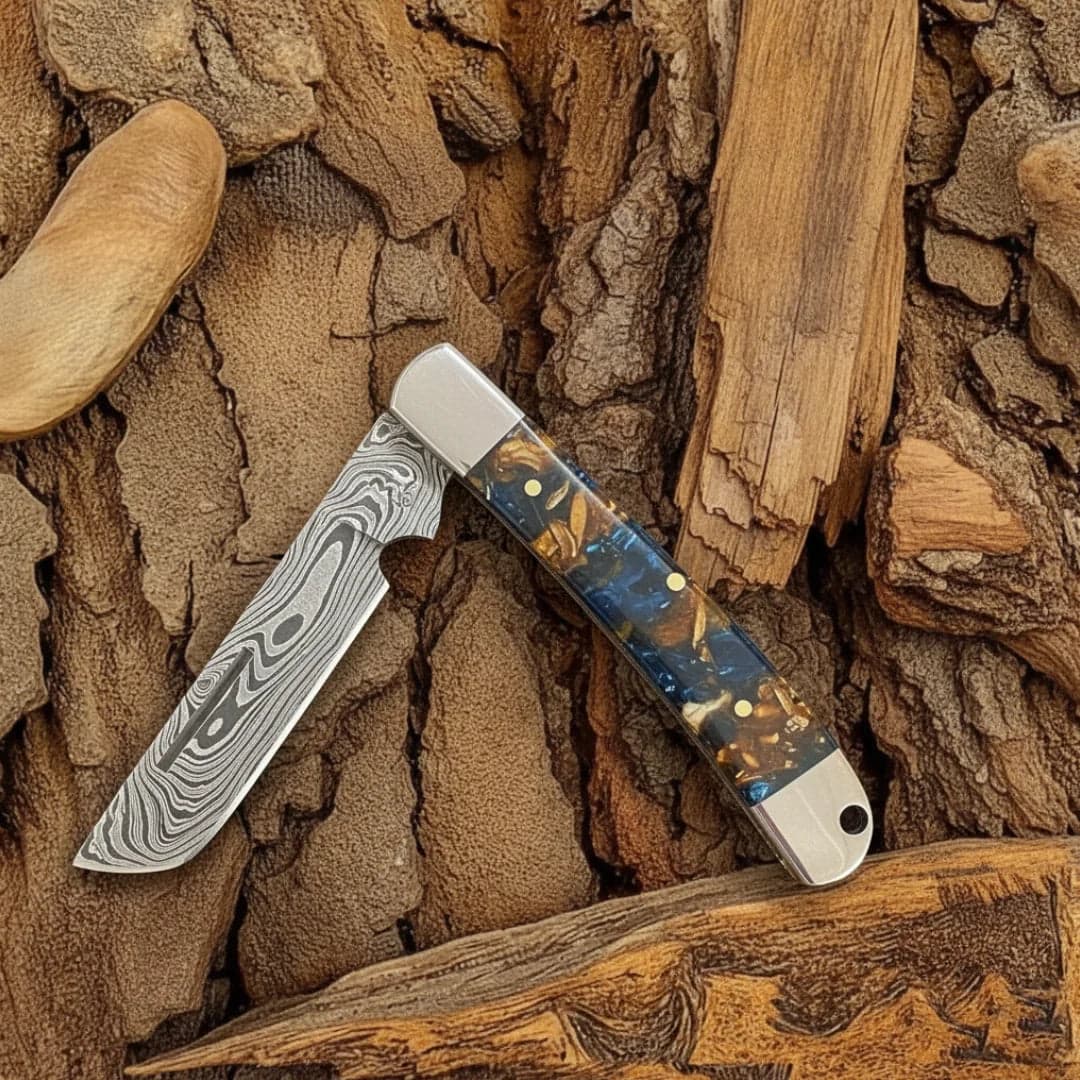
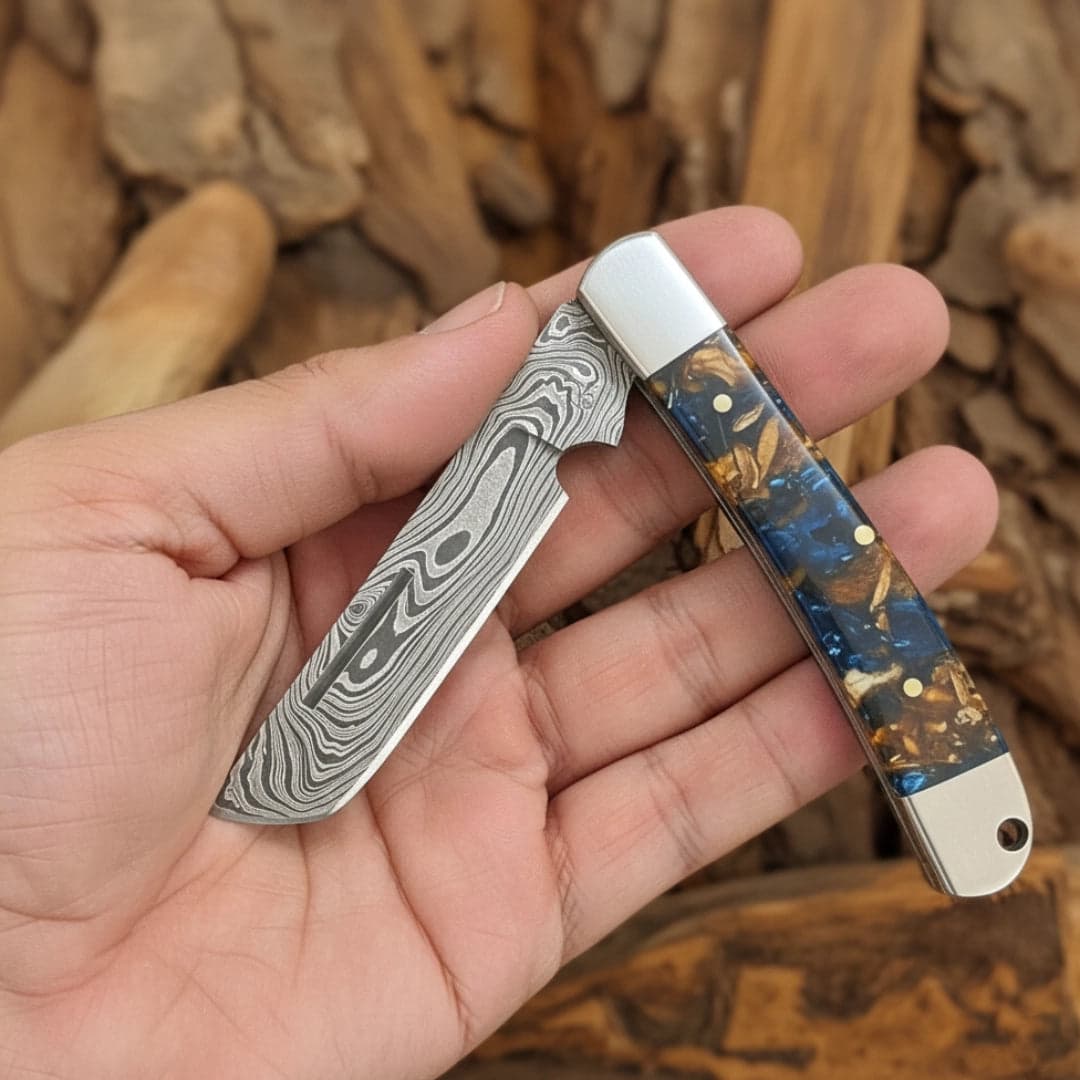
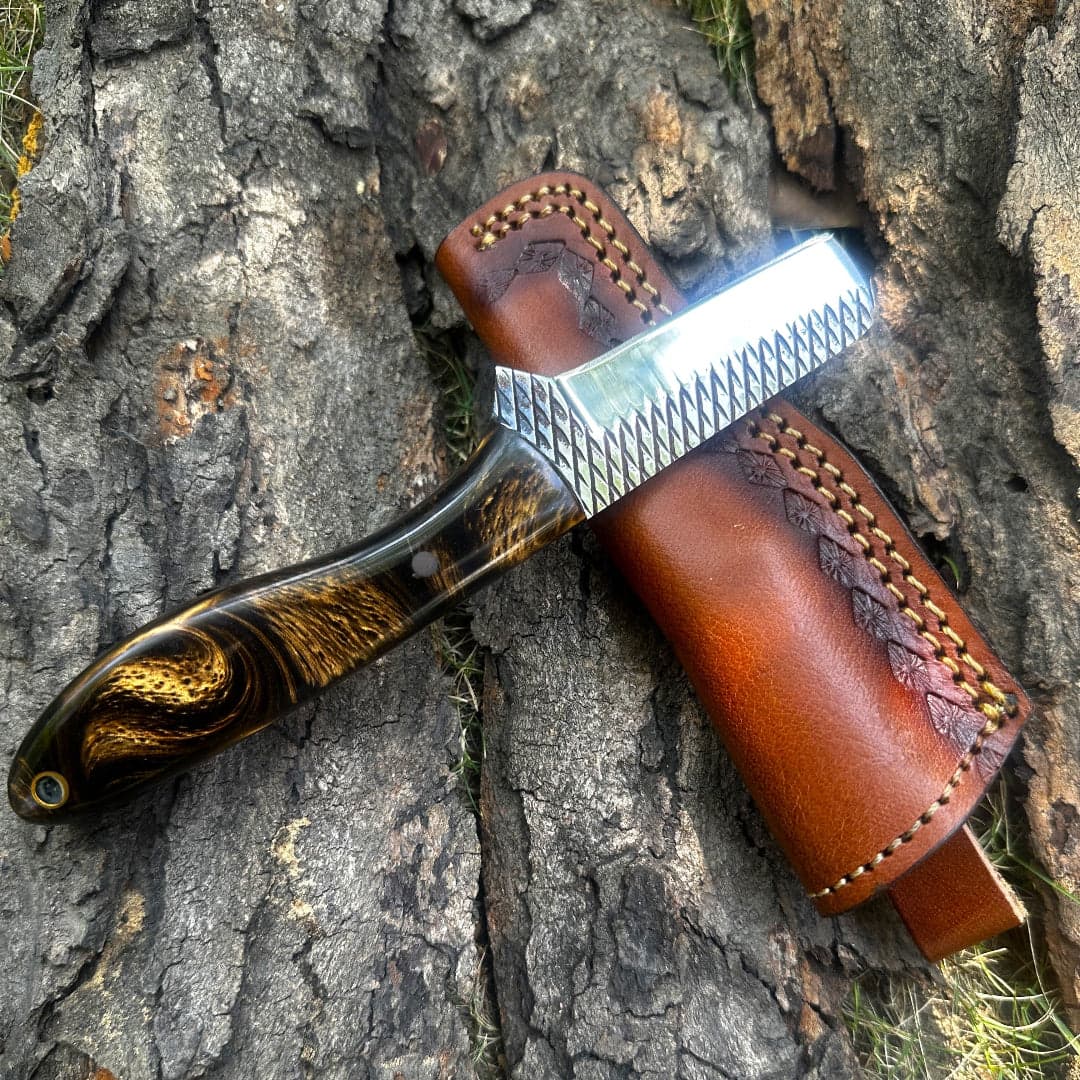
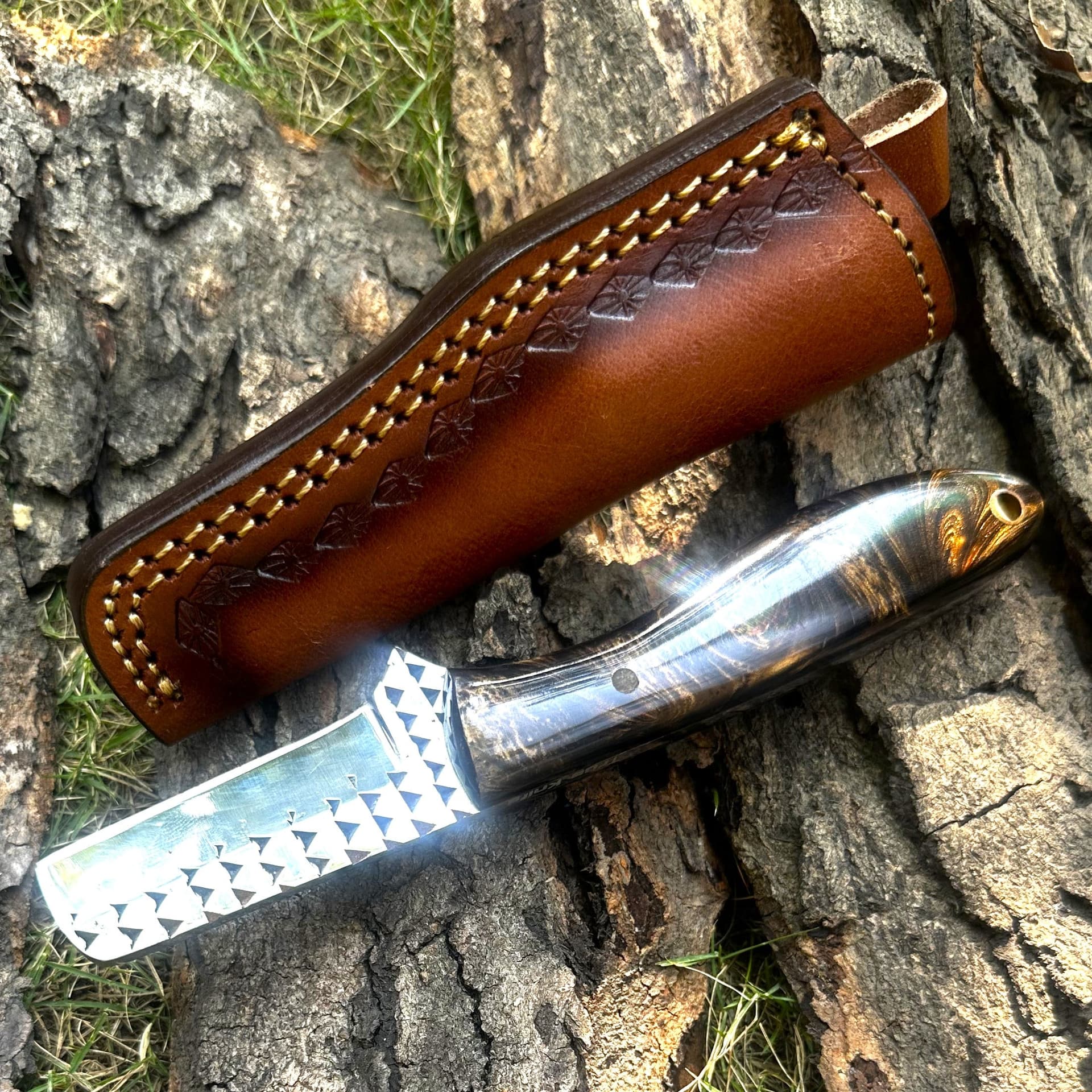
Field conditions are wet, cold, and often bloody, so handle material affects control as much as looks. Resin and pakkawood handles resist moisture absorption and stay grippy when wet; bone and antler handles add a traditional, collectible look but need more attention to keep clean and dry. Full-tang construction — where the steel runs the complete length of the handle — is standard across this collection for maximum strength during heavy cutting.
Damascus Steel vs. Standard Stainless: What You're Actually Paying For
A stamped stainless hunting knife is cheaper because it's cut from a single sheet of pre-alloyed steel — consistent, but it lacks the layered structure that gives forged Damascus its combination of hardness and flexibility. Damascus also won't corrode as easily as basic carbon steel when maintained, and no two blades share an identical pattern, which is part of why hand-forged knives are collected as well as used. If you're building out a full set rather than a single blade, our Damascus knife sets bundle hunting, utility, and camp blades together at a lower cost per knife.
Care, Sharpening, and Storage
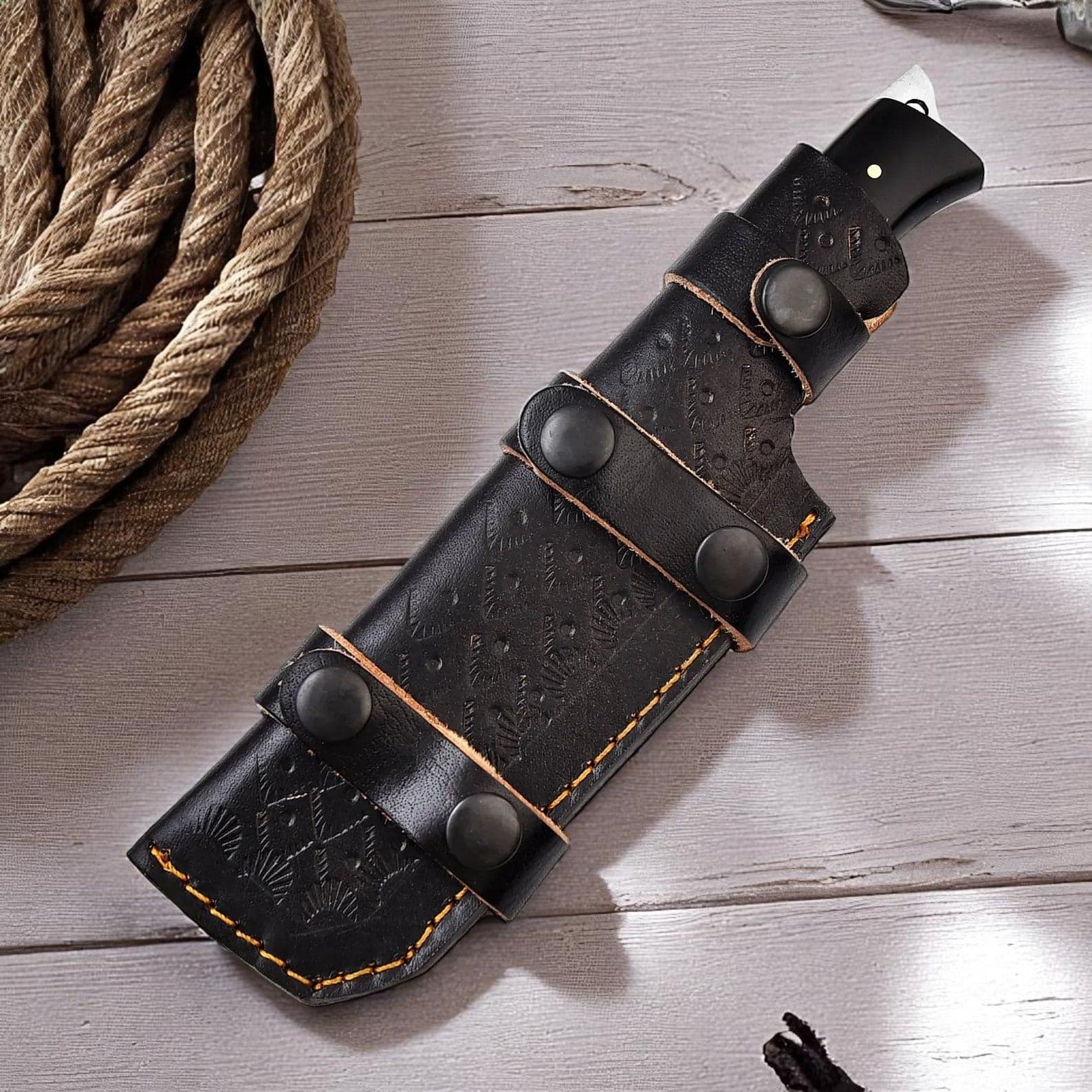
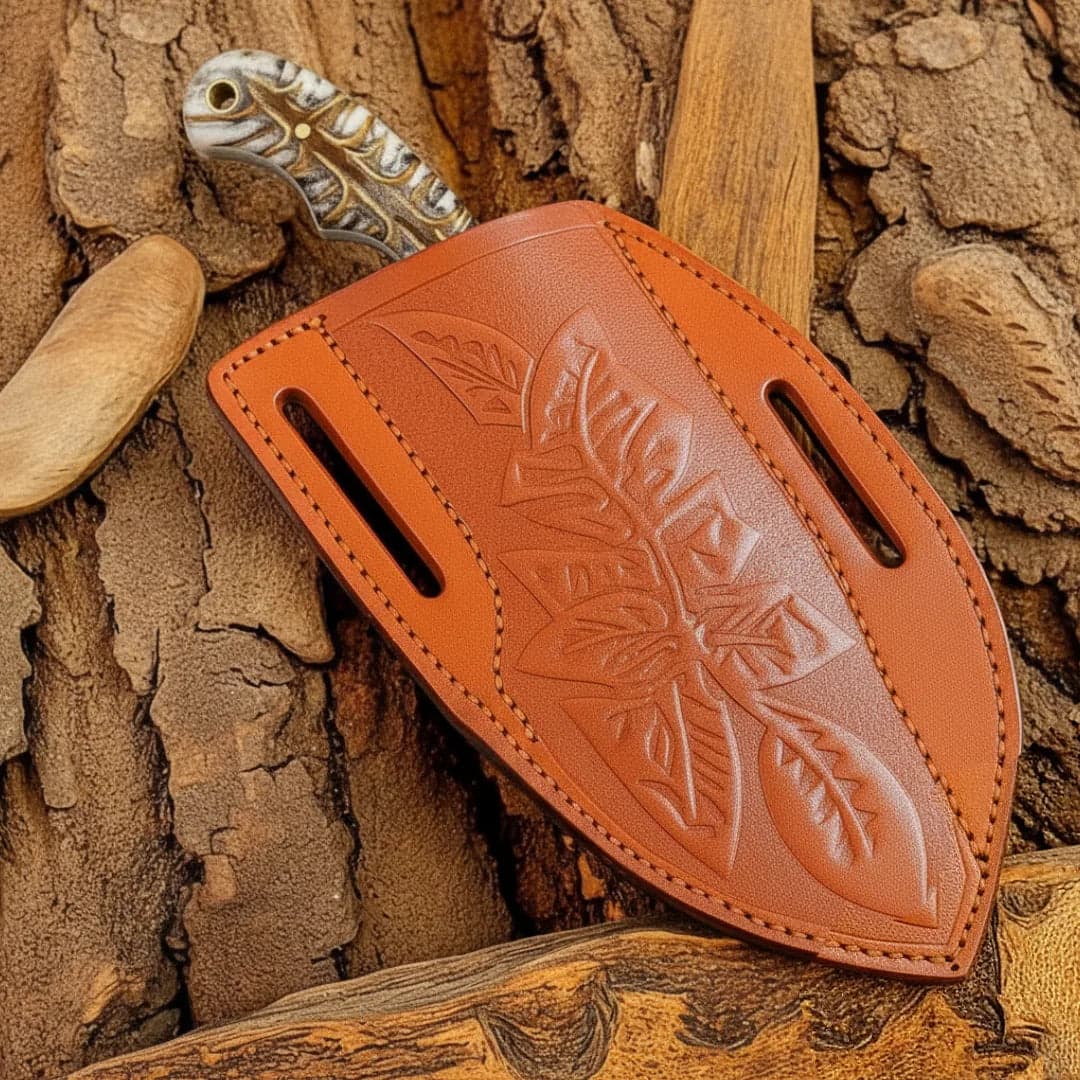
Rinse the blade in warm water immediately after use to clear blood and residue — dried organic matter is what causes most field corrosion, not the steel itself. Dry the blade completely before sheathing it. Every two weeks of regular use, apply a light coat of mineral or gun oil to the blade to protect the pattern and prevent rust. Sharpen at a 20-25° angle per side using a whetstone; this range balances a fine edge with enough strength to survive bone and cartilage during field dressing. Store the knife in a dry sheath — a damp leather sheath left on the blade long-term is one of the most common causes of pitting on Damascus steel.
Complete the Kit
A hunting knife rarely works alone in the field. Pair your blade with a pocket knife for lighter EDC tasks around camp, and check our knife accessories for sharpening stones, oil, and replacement sheaths to keep your Damascus blade field-ready season after season.